|
|
|||
|
||||
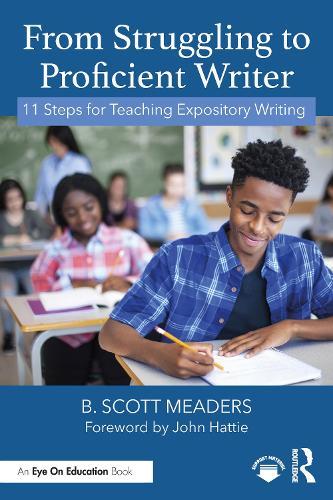
OverviewAre you hoping to help your students become more proficient, confident writers? This book provides an innovative method for teaching expository writing to struggling students. This 11-step method uses evidence-based practices in a systematic way to reach the needs of all students. The book covers each phase in the writing program, including pre-assessment and formative assessments; the 11 steps of writing an essay with aspects like thesis statements, body paragraphs, and conclusions. The book also details the different types of expository writing with an end goal of the Text Dependent Analysis (TDA) for college readiness. Finally, the author dives into common instructional challenges, such as writer burnout, plagiarism, AI, large class sizes, students who refuse to write, issues with voice and creativity, and more. This is an ideal resource for any English Language Arts (ELA) teacher who is teaching expository writing in their classes or a school/district wanting to improve the writing competence of their students. Full Product DetailsAuthor: B. Scott MeadersPublisher: Taylor & Francis Ltd Imprint: Routledge ISBN: 9781041249092ISBN 10: 1041249098 Pages: 176 Publication Date: 19 May 2026 Audience: Professional and scholarly , Professional & Vocational Format: Paperback Publisher's Status: Forthcoming Availability: Not yet available This item is yet to be released. You can pre-order this item and we will dispatch it to you upon its release. Table of ContentsIntroduction: Our Current Crisis – The Story of the 73% 1. Teaching Writing with Evidence-Based Practices 2. The 11-Step Method to Proficient Writing – Implementing the Method 3. Collecting Data to Track Progress and Outcomes 4. Overcoming Instructional Challenges 5. Conclusion: Final Thoughts – A Call to ActionReviewsAuthor InformationB. Scott Meaders is an eighth-grade ELA and writing teacher at Gruening Middle School in Eagle River, Alaska, and he has a combined 28 years of experience as an educator and professional development consultant across elementary, middle, and high school levels, primarily in Title I schools. Tab Content 6Author Website:Countries AvailableAll regions |
||||