Overview
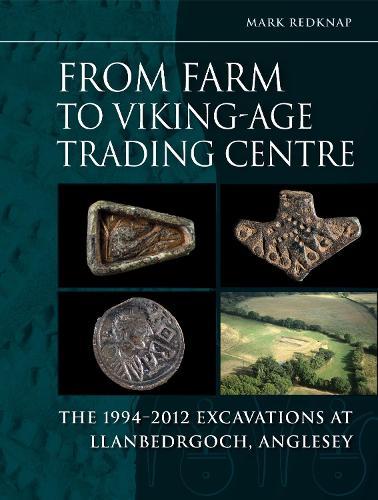
The discovery of early medieval artefacts by metal detectorists at Glyn, Llanbedrgoch, Anglesey from the late 1980s led to a long-term programme of archaeological investigations by the National Museum of Wales (now Amgueddfa Cymru). Excavation revealed rich evidence for human activity from the Mesolithic period to the present, but its international recognition as a transformative site has been based on the remarkable early medieval evidence covering the 5th- to 6th-century transition up to the 11th century. The early medieval enclosed settlement has produced the richest archaeological record in pre-Norman Wales for this period of political and cultural transformation. The site provides a unique sequence of development from small farm and entrepôt to a developing regional centre from the 7th century. By the 10th century, Llanbedrgoch had become an important commercial centre for the kingdom of Gwynedd, while possibly functioning in the manner of an estate centre with proto-urban potential. The excavated evidence shows an influx of material culture that is mixed, vibrant and in tune with the data from other sites around the Irish Sea and the Continent. This publication integrates all the archaeological evidence discovered, including the first house plans from Viking-age Wales and details of objects made, cherished, consumed, destroyed and repaired. Eight early medieval burials provide data on personal appearance, health, diet and origins (including slavery), and four have facial reconstructions. New artefacts classifications and interpretations are provided, and corpora on dress accessories, hacksilver, household equipment and quernstones found in early medieval Wales presented. The social, economic and political contexts are discussed. AUTHOR: Mark Redknap was appointed Curator of Medieval and Later Archaeology at the National Museum of Wales (now Amgueddfa Cymru) in 1988, later becoming Head of Research in the Department of History and Archaeology until October 2023. An archaeologist and finds specialist, he has been lead curator for numerous exhibitions based at the National Museum Cardiff. His recent research focus has been on early medieval and medieval Wales and he published Llangorse Crannog with Oxbow Books in 2019. Specialisms include ceramics (AD 4001550), medieval boats and maritime archaeology, and medieval and post-medieval artefacts. 300 b/w and colour illustrations
Full Product Details
Author: Mark Redknap
Publisher: Casemate Publishers
Imprint: Casemate Publishers
ISBN: 9798888571972
Pages: 728
Publication Date: 31 January 2026
Audience:
Professional and scholarly
,
College/higher education
,
Professional & Vocational
,
Postgraduate, Research & Scholarly
Format: Hardback
Publisher's Status: Active
Availability: In Print

This item will be ordered in for you from one of our suppliers. Upon receipt, we will promptly dispatch it out to you. For in store availability, please contact us.
Author Information
Mark Redknap was appointed Curator of Medieval and Later Archaeology at the National Museum of Wales (now Amgueddfa Cymru) in 1988, later becoming Head of Research in the Department of History and Archaeology until October 2023. An archaeologist and finds specialist, he has been lead curator for numerous exhibitions based at the National Museum Cardiff. His recent research focus has been on early medieval and medieval Wales and he published Llangorse Crannog with Oxbow Books in 2019. Specialisms include ceramics (AD 400–1550), medieval boats and maritime archaeology, and medieval and postmedieval artefacts.