|
|
|||
|
||||
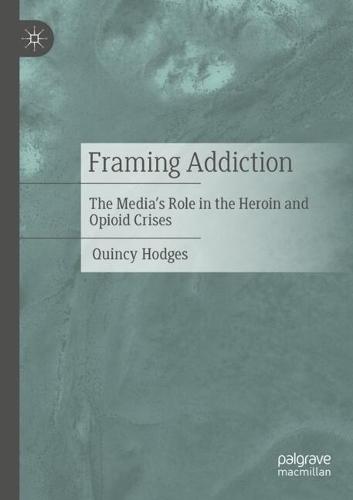
OverviewFraming Addiction uncovers how mainstream American media have shaped public understanding of drug epidemics through narratives deeply influenced by race, class, and power. Drawing on content and discourse analyses of six major newspapers, compares the heroin epidemic of the 1970s with the opioid crisis of the 21st century, exposing how Black and Latino communities were criminalized while White opioid users were portrayed as victims in need of care. This timely and necessary work explores the human cost of biased journalism and the policy consequences of selective empathy. From Nixon’s “War on Drugs” to today’s calls for treatment and recovery, Framing Addiction traces how media narratives both reflect and reinforce inequality. Grounded in critical race theory, journalism studies, and public health discourse, this book offers a new framework for ethical, equitable reporting on addiction. A vital resource for journalists, scholars, policymakers, and anyone interested in the intersections of media, race, and public health. Full Product DetailsAuthor: Quincy HodgesPublisher: Springer Nature Switzerland AG Imprint: Palgrave Macmillan ISBN: 9783032143020ISBN 10: 3032143020 Pages: 128 Publication Date: 17 January 2026 Audience: General/trade , General Format: Hardback Publisher's Status: Forthcoming Availability: Not yet available This item is yet to be released. You can pre-order this item and we will dispatch it to you upon its release. Table of ContentsChapter 1: Introduction to America’s Drug Crises.- Chapter 2: Framing Theory and Media’s Influence on Public Perception.- Chapter 3: Historical Context: America’s Evolving Relationship with Psychoactive Substances.- Chapter 4: Media Framing of the Heroin Epidemic: Criminality, Stigma, and Socio-Economic Bias.- Chapter 5: The Opioid Crisis in Media: A Shift Toward Public Health and Empathy.- Chapter 6: Race, Moral Panic, and Media Narratives.- Chapter 7: Content Analysis of News Media Coverage.- Chapter 8: Framing Crises: Racial and Media Narratives of the Heroin Epidemic and the Opioid Crisis.- Chapter 9: Policy Implications of Media Framing on Drug Addiction.- Chapter 10: Toward a New Framework: Ethical Journalism in Addiction Reporting.ReviewsAuthor InformationQuincy Hodges is a media scholar, journalist, and assistant professor of Mass Communication at Xavier University of Louisiana. He earned his PhD from Louisiana State University, where his dissertation laid the foundation for Framing Addiction. His research focuses on media framing, drug policy, race, and ethics in journalism. As both a researcher and educator, he works to highlight the narratives that shape policy and public perception, particularly for marginalized communities. Tab Content 6Author Website:Countries AvailableAll regions |
||||