|
|
|||
|
||||
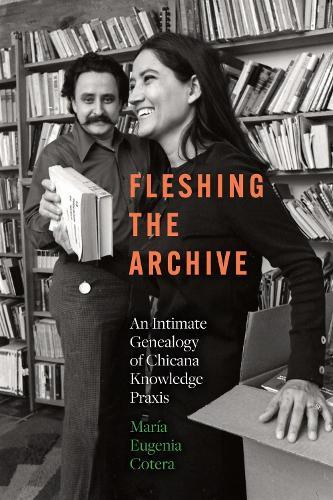
OverviewFull Product DetailsAuthor: María Eugenia CoteraPublisher: University of Texas Press Imprint: University of Texas Press Weight: 0.454kg ISBN: 9781477332955ISBN 10: 1477332952 Pages: 288 Publication Date: 03 February 2026 Audience: Professional and scholarly , College/higher education , Professional & Vocational , Postgraduate, Research & Scholarly Format: Hardback Publisher's Status: Active Availability: In Print This item will be ordered in for you from one of our suppliers. Upon receipt, we will promptly dispatch it out to you. For in store availability, please contact us. Table of ContentsList of Illustrations Introduction. Chicana Knowledge Praxis Before and After the Digital Turn Chapter 1. Fleshing the Archive Chapter 2. La Tlamatini: Information as a Praxis of Freedom Chapter 3. Tlamatini Infrastructures in the Shadow of Precarity Chapter 4. X Marks the Spot: Mapping the Sitios y Lenguas of Chicana Studies in California (1969–1971) Chapter 5. Beyond a History of Violence: Tracing the Knowledge Modalities of Chicana Studies in the 1970s Chapter 6. Mujerista Genealogies: Encuentros in the Queer Chicana Archive Postscript. Chicana Futures—Past and Present Acknowledgments/Agradacimientos Notes IndexReviewsWith insight, precision, and dedication, María Cotera offers a stunning analysis of the development of Chicana feminist knowledge production and praxis. Her work will transform the way we think about Chicana and Chicano studies and enliven the way we understand and relate to historical practice. A must-read.--Elena R. Gutiérrez, University of Illinois, Chicago, coeditor of Chicago Latina Trailblazers: Testimonios of Political Activism Fleshing the Archive is for anyone who craves genuine ways of doing things differently in higher education and the museum and library worlds. It is a comprehensive roadmap for ethical archive formation and knowledge production in which Chicana feminists, including queer and lesbian feminists, have been leaders since the late 1960s. Cotera documents when and how Chicana feminists preceded the digital turn of the late twentieth century as well as their fundamental goal of connecting liberation and the redistribution of power to knowledge production and access.--Karen Mary Davalos, University of Minnesota, coeditor of Self Help Graphics at Fifty: A Cornerstone of Latinx Art and Collaborative Artmaking Author InformationMarÍa Eugenia Cotera is an associate professor in the Mexican American and Latina/o Studies Department at the University of Texas at Austin. Her first book, Native Speakers, received the Gloria E. AnzaldÚa Book Prize. Her groundbreaking edited volume, Chicana Movidas, has been adopted in courses across the country. Tab Content 6Author Website:Countries AvailableAll regions |
||||