|
|
|||
|
||||
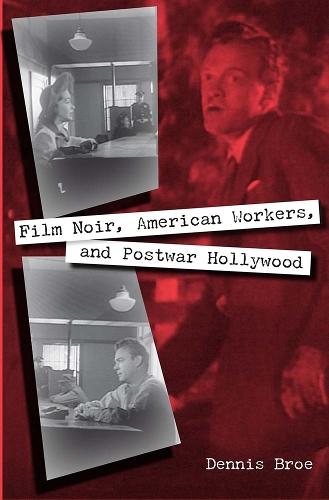
OverviewFilm noir, which flourished in 1940s and 50s, reflected the struggles and sentiments of postwar America. Dennis Broe contends that the genre, with its emphasis on dark subject matter, paralleled the class conflict in labor and union movements that dominated the period.By following the evolution of film noir during the years following World War II, Broe illustrates how the noir figure represents labor as a whole. In the 1940s, both radicalized union members and protagonists of noir films were hunted and pursued by the law. Later, as labor unions achieve broad acceptance and respectability, the central noir figure shifts from fugitive criminal to law-abiding cop.Expanding his investigation into the Cold War and post-9/11 America, Broe extends his analysis of the ways film noir is intimately connected to labor history. A brilliant, interdisciplinary examination, this is a work that will appeal to a broad spectrum of readers. Full Product DetailsAuthor: Dennis Broe , Richard Greenwald , Timothy J. MinchinPublisher: University Press of Florida Imprint: University Press of Florida Dimensions: Width: 15.40cm , Height: 2.20cm , Length: 22.80cm Weight: 0.458kg ISBN: 9780813033228ISBN 10: 0813033225 Pages: 192 Publication Date: 30 January 2009 Audience: General/trade , General Format: Hardback Publisher's Status: Active Availability: Temporarily unavailable The supplier advises that this item is temporarily unavailable. It will be ordered for you and placed on backorder. Once it does come back in stock, we will ship it out to you. Table of ContentsReviewsAuthor InformationDennis Broe is associate professor of film at Long Island University and the coordinator of the graduate program in media arts. Tab Content 6Author Website:Countries AvailableAll regions |
||||