Overview
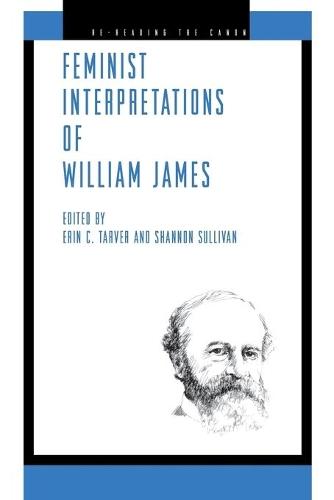
Widely regarded as the father of American psychology, William James is by any measure a mammoth presence on the stage of pragmatist philosophy. But despite his indisputable influence on philosophical thinkers of all genders, men remain the movers and shakers in the Jamesian universe—while women exist primarily to support their endeavors and serve their needs. How could the philosophy of William James, a man devoted to Victorian ideals, be used to support feminism? Feminist Interpretations of William James lays out the elements of James’s philosophy that are particularly problematic for feminism, offers a novel feminist approach to James’s ethical philosophy, and takes up epistemic contestations in and with James’s pragmatism. The results are surprising. In short, James’s philosophy can prove useful for feminist efforts to challenge sexism and male privilege, in spite of James himself. In this latest installment of the Re-Reading the Canon series, contributors appeal to William James’s controversial texts not simply as an exercise in feminist critique but in the service of feminism. Along with the editors, the contributors are Jeremy Carrette, Lorraine Code, Megan Craig, Susan Dieleman, Jacob L. Goodson, Maurice Hamington, Erin McKenna, José Medina, and Charlene Haddock Seigfried.
Full Product Details
Author: Erin C. Tarver (Emory University) ,
Shannon Sullivan (Penn State University)
Publisher: Pennsylvania State University Press
Imprint: Pennsylvania State University Press
Dimensions:
Width: 15.20cm
, Height: 2.30cm
, Length: 22.90cm
Weight: 0.454kg
ISBN: 9780271070919
ISBN 10: 0271070919
Pages: 328
Publication Date: 15 January 2016
Audience:
Professional and scholarly
,
Professional & Vocational
Format: Paperback
Publisher's Status: Active
Availability: Out of stock

The supplier is temporarily out of stock of this item. It will be ordered for you on backorder and shipped when it becomes available.
Reviews
This volume represents some of the best applications of feminist pragmatist scholarship. It also takes seriously the documented sexism of a seemingly socially progressive and well-intentioned pragmatist philosopher, William James. . . . This method of rereading the canon serves as a model for feminists to generate complex and rich interpretive horizons that don't excuse the sexism of the philosopher as accidental to his philosophical theories, nor advocate a wholesale rejection of the philosopher's work as essentially sexist, but seek a middle interpretive ground that critically engages the philosopher's social prejudice while attempting to transform pragmatist thought toward meeting the goals of feminist projects. --Celia Bardwell-Jones, Hypatia Reviews Online
This volume represents some of the best applications of feminist pragmatist scholarship. It also takes seriously the documented sexism of a seemingly socially progressive and well-intentioned pragmatist philosopher, William James. . . . This method of rereading the canon serves as a model for feminists to generate complex and rich interpretive horizons that don't excuse the sexism of the philosopher as accidental to his philosophical theories, nor advocate a wholesale rejection of the philosopher's work as essentially sexist, but seek a middle interpretive ground that critically engages the philosopher's social prejudice while attempting to transform pragmatist thought toward meeting the goals of feminist projects. </p> Celia Bardwell-Jones, <em>Hypatia Reviews Online</em></p>
A welcome and lively contribution on William James, and adds significantly to the series' wider reconstructive project. . . . James is here revealed warts-and-all, and that certainly is to the good of Jamesian scholarship, pragmatism, and feminist philosophy more generally. --Clara Fischer, Transactions of the Charles S. Peirce Society This volume represents some of the best applications of feminist pragmatist scholarship. It also takes seriously the documented sexism of a seemingly socially progressive and well-intentioned pragmatist philosopher, William James. . . . This method of rereading the canon serves as a model for feminists to generate complex and rich interpretive horizons that don't excuse the sexism of the philosopher as accidental to his philosophical theories, nor advocate a wholesale rejection of the philosopher's work as essentially sexist, but seek a middle interpretive ground that critically engages the philosopher's social prejudice while attempting to transform pragmatist thought toward meeting the goals of feminist projects. --Celia Bardwell-Jones, Hypatia Reviews Online The authors show that James's work clearly presents difficulties for feminists and how feminists might engage with James's ethical philosophy, the role of the body, and matters of epistemology. The editing is well executed, and explanatory notes appear throughout. Though the book is best suited to scholars with a background in James's work, the descriptions and analyses are convincing and will be useful even to those without significant prior exposure to James. --M. K. Bloodsworth-Lugo, Choice William James has often been praised for highlighting the more 'feminine' dimensions of philosophy, while being criticized for ignoring important 'feminist' considerations. The present volume focuses on and highlights this conundrum, and it does so in a rich and informative manner. James's many contributions are acknowledged, but his work is viewed, and elaborated upon, from a broader perspective of feminism. --William Gavin, University of Southern Maine This volume represents some of the best applications of feminist pragmatist scholarship. It also takes seriously the documented sexism of a seemingly socially progressive and well-intentioned pragmatist philosopher, William James. . . . This method of rereading the canon serves as a model for feminists to generate complex and rich interpretive horizons that don't excuse the sexism of the philosopher as accidental to his philosophical theories, nor advocate a wholesale rejection of the philosopher's work as essentially sexist, but seek a middle interpretive ground that critically engages the philosopher's social prejudice while attempting to transform pragmatist thought toward meeting the goals of feminist projects. Celia Bardwell-Jones, Hypatia Reviews Online The authors show that James's work clearly presents difficulties for feminists and how feminists might engage with James's ethical philosophy, the role of the body, and matters of epistemology. The editing is well executed, and explanatory notes appear throughout. Though the book is best suited to scholars with a background in James's work, the descriptions and analyses are convincing and will be useful even to those without significant prior exposure to James. M. K. Bloodsworth-Lugo, Choice William James has often been praised for highlighting the more feminine dimensions of philosophy, while being criticized for ignoring important feminist considerations. The present volume focuses on and highlights this conundrum, and it does so in a rich and informative manner. James s many contributions are acknowledged, but his work is viewed, and elaborated upon, from a broader perspective of feminism. William Gavin, University of Southern Maine The authors show that James's work clearly presents difficulties for feminists and how feminists might engage with James's ethical philosophy, the role of the body, and matters of epistemology. The editing is well executed, and explanatory notes appear throughout. Though the book is best suited to scholars with a background in James's work, the descriptions and analyses are convincing and will be useful even to those without significant prior exposure to James. M. K. Bloodsworth-Lugo, Choice William James has often been praised for highlighting the more feminine dimensions of philosophy, while being criticized for ignoring important feminist considerations. The present volume focuses on and highlights this conundrum, and it does so in a rich and informative manner. James s many contributions are acknowledged, but his work is viewed, and elaborated upon, from a broader perspective of feminism. William Gavin, University of Southern Maine
A welcome and lively contribution on William James, and adds significantly to the series' wider reconstructive project. . . . James is here revealed warts-and-all, and that certainly is to the good of Jamesian scholarship, pragmatism, and feminist philosophy more generally. --Clara Fischer, Transactions of the Charles S. Peirce Society This volume represents some of the best applications of feminist pragmatist scholarship. It also takes seriously the documented sexism of a seemingly socially progressive and well-intentioned pragmatist philosopher, William James. . . . This method of rereading the canon serves as a model for feminists to generate complex and rich interpretive horizons that don't excuse the sexism of the philosopher as accidental to his philosophical theories, nor advocate a wholesale rejection of the philosopher's work as essentially sexist, but seek a middle interpretive ground that critically engages the philosopher's social prejudice while attempting to transform pragmatist thought toward meeting the goals of feminist projects. --Celia Bardwell-Jones, Hypatia Reviews Online The authors show that James's work clearly presents difficulties for feminists and how feminists might engage with James's ethical philosophy, the role of the body, and matters of epistemology. The editing is well executed, and explanatory notes appear throughout. Though the book is best suited to scholars with a background in James's work, the descriptions and analyses are convincing and will be useful even to those without significant prior exposure to James. --M. K. Bloodsworth-Lugo, Choice William James has often been praised for highlighting the more 'feminine' dimensions of philosophy, while being criticized for ignoring important 'feminist' considerations. The present volume focuses on and highlights this conundrum, and it does so in a rich and informative manner. James's many contributions are acknowledged, but his work is viewed, and elaborated upon, from a broader perspective of feminism. --William Gavin, University of Southern Maine This volume represents some of the best applications of feminist pragmatist scholarship. It also takes seriously the documented sexism of a seemingly socially progressive and well-intentioned pragmatist philosopher, William James. . . . This method of rereading the canon serves as a model for feminists to generate complex and rich interpretive horizons that don't excuse the sexism of the philosopher as accidental to his philosophical theories, nor advocate a wholesale rejection of the philosopher's work as essentially sexist, but seek a middle interpretive ground that critically engages the philosopher's social prejudice while attempting to transform pragmatist thought toward meeting the goals of feminist projects. Celia Bardwell-Jones, Hypatia Reviews Online The authors show that James's work clearly presents difficulties for feminists and how feminists might engage with James's ethical philosophy, the role of the body, and matters of epistemology. The editing is well executed, and explanatory notes appear throughout. Though the book is best suited to scholars with a background in James's work, the descriptions and analyses are convincing and will be useful even to those without significant prior exposure to James. M. K. Bloodsworth-Lugo, Choice William James has often been praised for highlighting the more feminine dimensions of philosophy, while being criticized for ignoring important feminist considerations. The present volume focuses on and highlights this conundrum, and it does so in a rich and informative manner. James s many contributions are acknowledged, but his work is viewed, and elaborated upon, from a broader perspective of feminism. William Gavin, University of Southern Maine The authors show that James's work clearly presents difficulties for feminists and how feminists might engage with James's ethical philosophy, the role of the body, and matters of epistemology. The editing is well executed, and explanatory notes appear throughout. Though the book is best suited to scholars with a background in James's work, the descriptions and analyses are convincing and will be useful even to those without significant prior exposure to James. M. K. Bloodsworth-Lugo, Choice William James has often been praised for highlighting the more feminine dimensions of philosophy, while being criticized for ignoring important feminist considerations. The present volume focuses on and highlights this conundrum, and it does so in a rich and informative manner. James s many contributions are acknowledged, but his work is viewed, and elaborated upon, from a broader perspective of feminism. William Gavin, University of Southern Maine
A welcome and lively contribution on William James, and adds significantly to the series' wider reconstructive project. . . . James is here revealed warts-and-all, and that certainly is to the good of Jamesian scholarship, pragmatism, and feminist philosophy more generally. --Clara Fischer, Transactions of the Charles S. Peirce Society This volume represents some of the best applications of feminist pragmatist scholarship. It also takes seriously the documented sexism of a seemingly socially progressive and well-intentioned pragmatist philosopher, William James. . . . This method of rereading the canon serves as a model for feminists to generate complex and rich interpretive horizons that don't excuse the sexism of the philosopher as accidental to his philosophical theories, nor advocate a wholesale rejection of the philosopher's work as essentially sexist, but seek a middle interpretive ground that critically engages the philosopher's social prejudice while attempting to transform pragmatist thought toward meeting the goals of feminist projects. --Celia Bardwell-Jones, Hypatia Reviews Online The authors show that James's work clearly presents difficulties for feminists and how feminists might engage with James's ethical philosophy, the role of the body, and matters of epistemology. The editing is well executed, and explanatory notes appear throughout. Though the book is best suited to scholars with a background in James's work, the descriptions and analyses are convincing and will be useful even to those without significant prior exposure to James. --M. K. Bloodsworth-Lugo, Choice William James has often been praised for highlighting the more 'feminine' dimensions of philosophy, while being criticized for ignoring important 'feminist' considerations. The present volume focuses on and highlights this conundrum, and it does so in a rich and informative manner. James's many contributions are acknowledged, but his work is viewed, and elaborated upon, from a broader perspective of feminism. --William Gavin, University of Southern Maine
The authors show that James's work clearly presents difficulties for feminists and how feminists might engage with James's ethical philosophy, the role of the body, and matters of epistemology. The editing is well executed, and explanatory notes appear throughout. Though the book is best suited to scholars with a background in James's work, the descriptions and analyses are convincing and will be useful even to those without significant prior exposure to James. </p> M. K. Bloodsworth-Lugo, <em>Choice</em></p>
Author Information
Erin C. Tarver is Assistant Professor of Philosophy at Oxford College of Emory University. Shannon Sullivan is Chair of Philosophy and Professor of Philosophy and Health Psychology at the University of North Carolina at Charlotte.