Overview
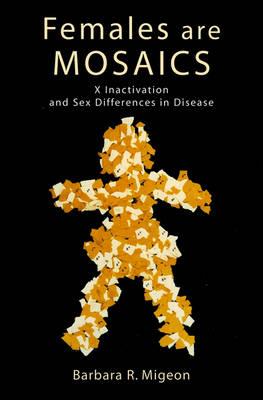
Women can be described as genetic mosaics because they have two distinctly different types of cells throughout their bodies. Unlike males, who have one X chromosome (inherited from their mother), females have two X chromosomes in every cell (one from each parent). The fathers copy works in some cells, while the mothers copy works in others. These two X chromosomes often function differently, especially if one carries a defective gene.Much has been written about the Y chromosome and its role in inducing maleness. This will be the first book about the X chromosome as a key to female development and the role of X-related factors in the etiology of sex differences in human disease. Barbara Migeon, from the renowned McKusick-Nathan Institute at Johns Hopkins, is a major figure in clinical genetics and is eminently qualified to write this book, and she writes clearly and effectively. She describes both the underlying molecular mechanisms and the remarkable genetic consequences of X inactivation and its role in determining the biological concepts characteristic of women.Females are Mosaics will be valuable to geneticists, biologists, and all health professionals interested in women's health.
Full Product Details
Author: Barbara Migeon
Publisher: Oxford University Press Inc
Imprint: Oxford University Press Inc
Dimensions:
Width: 15.60cm
, Height: 2.40cm
, Length: 23.40cm
Weight: 0.568kg
ISBN: 9780195188127
ISBN 10: 0195188128
Pages: 284
Publication Date: 15 March 2007
Audience:
College/higher education
,
Professional and scholarly
,
Undergraduate
,
Postgraduate, Research & Scholarly
Format: Hardback
Publisher's Status: Unknown
Availability: Awaiting stock

Reviews
This book provides a balanced overview of the field to date, allowing newcomers to the field to concentrate on the recent literature necessity...The information in the book is up-to-date and a superb introduction to the entire field for gradutate students and fellows. --Nature<br> I thoroughly enjoyed reading this book...This important and enjoyable book should be read by physicians who care for women of all ages. --New England Journal of Medicine<br> This book provides a balanced overview of the field to date, allowing newcomers to the field to concentrate on the recent literature necessity...The information in the book is up-to-date and a superb introduction to the entire field for gradutate students and fellows. --Nature<br> I thoroughly enjoyed reading this book...This important and enjoyable book should be read by physicians who care for women of all ages. --New England Journal of Medicine<br> Migeons eyewitness account of the discovery of X inactivation and the investigations of its mechanism is engaging...Biologists will appreciate the breadth of the book and the thorough referencing. --Science<br>