Overview
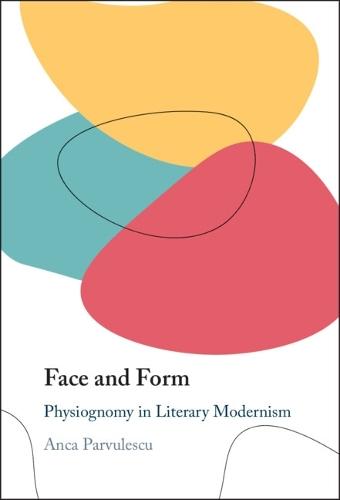
Faces, faces, faces – faces everywhere! Modernism was obsessed with the ubiquity of the human face. Thomas Mann, Marcel Proust, Virginia Woolf, Gertrude Stein, and, later, Kōbō Abe framed their literary projects around the question of the face, its dynamic of legibility and opacity. In literary modernism, the face functioned as a proxy for form, memory, intermediality, or difference – and combinations thereof. The old pseudo-science of physiognomy, which assumed faces to be sites of legible meaning, was in the process reconfigured. Modernist faces lost their connection to interiority, but remained surfaces of reading and interpretation. As such, they also became canvases for creative appropriation, what Mina Loy called auto-facial-construction. The modernist overinvestment in faces functions as a warning against the return of physiognomy in contemporary technologies of facial recognition. This title is also available as open access on Cambridge Core.
Full Product Details
Author: Anca Parvulescu (Washington University, St Louis)
Publisher: Cambridge University Press
Imprint: Cambridge University Press
ISBN: 9781009599795
ISBN 10: 1009599798
Pages: 206
Publication Date: 04 September 2025
Audience:
General/trade
,
General
Format: Hardback
Publisher's Status: Active
Availability: Manufactured on demand

We will order this item for you from a manufactured on demand supplier.
Reviews
'Face and Form reassesses the centrality of physiognomy in the modernist perception to ask what we can learn from it today. This book is a remarkable contribution to modernist studies, and a timely response to the ongoing debates on facial recognition technologies and the politics of COVID-19.' Katja Haustein, Lecturer in Comparative Literature, University of Kent 'Face and Form: Physiognomy in Literary Modernism is an engaging, lucidly written account of the face as the site of a modernist struggle over form. Parvulescu offers brilliant re-readings of canonical modernist texts that focus on “modernist faciality” in light of their well-known experiments with character and literary form.' Rochelle Rives, Professor of English, City University of New York
Author Information
Anca Parvulescu is Liselotte Dieckmann Professor in Comparative Literature at Washington University in St. Louis. She is the author of Laughter: Notes on a Passion (2010), The Traffic in Women's Work: East European Migration and the Making of Europe (2014), and, with Manuela Boatcă, Creolizing the Modern: Transylvania across Empires (2022) – winner of the René Wellek Prize for Best Book in Comparative Literature, offered by the American Comparative Literature Association, and the Barrington Moore Award for Best Book in Comparative and Historical Sociology, offered by the American Sociological Association.