|
|
|||
|
||||
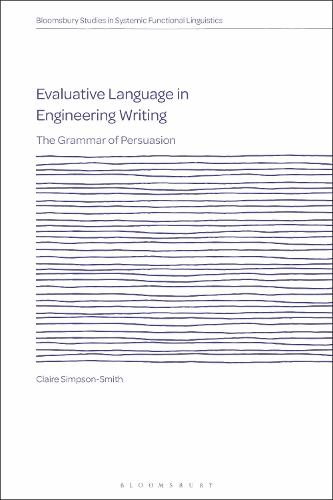
OverviewThis book examines strategic language use in professional engineering written reports, illustrating how writers create a persuasive stance within an objective style. It describes engineering writing through a close analysis of interpersonal language, using Systemic Functional Linguistics (SFL), complemented with quantitative corpus linguistics methods and interpreted through concepts drawn from Legitimation Code Theory (LCT). This description demonstrates how engineering writers have a strong preference for a certain type of evaluative language, with a dominant stance focused on the worthiness of things and processes. It is also demonstrates that engineering writers make strategic choices in their use of interpersonal language towards a certain aim, particularly in documents written to gain approval of a project by a regulatory body. This research is focused on engineering writing in the Australian context, but given the globalised nature of the engineering profession, also has relevance internationally. The creation of an objective stance in writing is also relevant to other disciplines. Full Product DetailsAuthor: Dr Claire Simpson-SmithPublisher: Bloomsbury Publishing PLC Imprint: Bloomsbury Academic ISBN: 9781350475137ISBN 10: 1350475130 Pages: 224 Publication Date: 14 May 2026 Audience: Professional and scholarly , Professional & Vocational Format: Hardback Publisher's Status: Forthcoming Availability: Manufactured on demand Table of ContentsReviewsIn the same way engineering applies science to solve problems, this book applies linguistics to address the persistent call for improved professional engineering communication skills.Using clear, straightforward language, Simpson-Smith analyses authentic engineering texts and explains the language features, and their implications, within. * Jennifer Walsh Marr, University of British Columbia and University of Toronto, Canada * This volume provides in-depth analyses of the evaluative language in engineering writing and offers illuminating insights into effective teaching of it, achieved through incorporating linguistic theory (SFL) and sociological theory (LCT) and quantitatively supported by Corpus Linguistics methodology. A valuable guide for both engineering students and their teachers. * Pin Wang, Associate Professor, Shanghai Jiao Tong University, China * Author InformationClaire Simpson-Smith currently works as a research analyst at Tafe SA, Australia. She completed her PhD at the University of South Australia and formerly taught engineering communication at the University of Adelaide, Australia. Tab Content 6Author Website:Countries AvailableAll regions |
||||