Overview
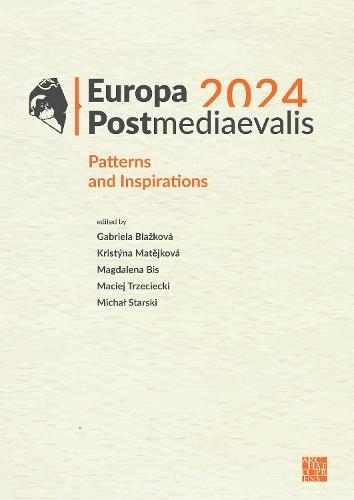
The fourth Europa Postmediaevalis conference, entitled Patterns and Inspirations, took place in Warsaw, Poland, in the spring of 2024. The result is this book, containing 27 contributions from a total of eleven European countries. The book is divided into three thematic sections, all of which focus on post-medieval pottery. The editors believe that the diversity and quality of the contributions may answer the question raised in the last paper: does the archaeological study of pottery bring relevant information regarding the human past?
Full Product Details
Author: Gabriela Blažková ,
Kristýna Matějková ,
Magdalena Bis ,
Michał Starski
Publisher: Archaeopress Publishing
Imprint: Archaeopress Publishing
Weight: 1.524kg
ISBN: 9781805830184
ISBN 10: 180583018
Pages: 374
Publication Date: 29 May 2025
Audience:
Professional and scholarly
,
Professional & Vocational
Format: Paperback
Publisher's Status: Active
Availability: Available To Order

We have confirmation that this item is in stock with the supplier. It will be ordered in for you and dispatched immediately.
Author Information
Gabriela Blazkova studied archaeology and history at the Faculty of Arts of Charles University in Prague, where she obtained her PhD (in 2011). She works as a researcher at the Institute of Archaeology of the Czech Academy of Sciences in Prague entire professional career, and lectures at Charles University. Her research focuses on late medieval and early modern archaeology with an emphasis on material culture, and social context. She has long been involved in archaeometric research of ceramic and glass finds. She is a member of the editorial boards of several international journals. She coordinates rescue archaeological excavations. Kristyna Matejkova studied archaeology at Masaryk University in Brno (Czech Republic) and entered the doctoral programme at Charles University in Prague with the aim processing early modern pottery assemblages. She is the director of the Centre for Processing, Documentation and Recording of Archaeological Finds, which is focused on the evidence, digitization and conservation of objects obtained from archaeological excavations. Her research is currently focused on the popularizing archaeology and interactive childhood education as part of the HistoryPark project. Magdalena Bis is a graduate of the University of Warsaw. Since the beginning of her career, she has been affiliated with the Institute of Archaeology and Ethnology of the Polish Academy of Sciences in Warsaw, where she obtained her PhD (in 2013). Her research interests cover historical archaeology, including material culture and customs, especially late medieval and post-medieval ceramics and glass, as well as defensive architecture, gardens and cemeteries. She has edited numerous publications and is currently editor-in-chief of the journal Archeologia Polski (Archaeology of Poland). Michal Starski is a lecturer at the Faculty of Archaeology at the University of Warsaw. His research focuses on late-medieval and post-medieval archaeology of the Polish and Baltic lands, particularly on material culture (ceramic studies) and small towns. His PhD (2012) was devoted to a monographic study of pottery production in Puck, Gdansk Pomerania. For many years, he has been conducting archaeological research on the settlement complex in Puck and the Teutonic Castle in Czluchow in Gdansk Pomerania. Maciej Trzeciecki is an archaeologist at the Institute of Archaeology and Ethnology, Polish Academy of Sciences in Warsaw. From 2023 head of the Centre of Historical Archaeology at this institution. Research interests: urban archaeology, historical archaeology, medieval and postmedieval pottery in social contexts. His PhD (2011) focused on changes in pottery production and consumption in a middle-range Polish town (Plock) in a long-term perspective (11th-19th centuries). During last 30 years he participated and coordinated excavations on medieval and post-medieval sites in Poland, Iceland, Spain, Montenegro, and Egypt. Author or co-author of five monographs and over 90 articles in renowned Polish and foreign journals. Winner of the Prime Minister's Award for an outstanding doctoral dissertation (2012). Gabriela Blazkova studied archaeology and history at the Faculty of Arts of Charles University in Prague, where she obtained her PhD (in 2011). She works as a researcher at the Institute of Archaeology of the Czech Academy of Sciences in Prague entire professional career, and lectures at Charles University. Her research focuses on late medieval and early modern archaeology with an emphasis on material culture, and social context. She has long been involved in archaeometric research of ceramic and glass finds. She is a member of the editorial boards of several international journals. She coordinates rescue archaeological excavations. Kristyna Matejkova studied archaeology at Masaryk University in Brno (Czech Republic) and entered the doctoral programme at Charles University in Prague with the aim processing early modern pottery assemblages. She is the director of the Centre for Processing, Documentation and Recording of Archaeological Finds, which is focused on the evidence, digitization and conservation of objects obtained from archaeological excavations. Her research is currently focused on the popularizing archaeology and interactive childhood education as part of the HistoryPark project. Magdalena Bis is a graduate of the University of Warsaw. Since the beginning of her career, she has been affiliated with the Institute of Archaeology and Ethnology of the Polish Academy of Sciences in Warsaw, where she obtained her PhD (in 2013). Her research interests cover historical archaeology, including material culture and customs, especially late medieval and post-medieval ceramics and glass, as well as defensive architecture, gardens and cemeteries. She has edited numerous publications and is currently editor-in-chief of the journal Archeologia Polski (Archaeology of Poland). Michal Starski is a lecturer at the Faculty of Archaeology at the University of Warsaw. His research focuses on late-medieval and post-medieval archaeology of the Polish and Baltic lands, particularly on material culture (ceramic studies) and small towns. His PhD (2012) was devoted to a monographic study of pottery production in Puck, Gdansk Pomerania. For many years, he has been conducting archaeological research on the settlement complex in Puck and the Teutonic Castle in Czluchow in Gdansk Pomerania. Maciej Trzeciecki is an archaeologist at the Institute of Archaeology and Ethnology, Polish Academy of Sciences in Warsaw. From 2023 head of the Centre of Historical Archaeology at this institution. Research interests: urban archaeology, historical archaeology, medieval and postmedieval pottery in social contexts. His PhD (2011) focused on changes in pottery production and consumption in a middle-range Polish town (Plock) in a long-term perspective (11th-19th centuries). During last 30 years he participated and coordinated excavations on medieval and post-medieval sites in Poland, Iceland, Spain, Montenegro, and Egypt. Author or co-author of five monographs and over 90 articles in renowned Polish and foreign journals. Winner of the Prime Minister's Award for an outstanding doctoral dissertation (2012). Gabriela Blazkova studied archaeology and history at the Faculty of Arts of Charles University in Prague, where she obtained her PhD (in 2011). She works as a researcher at the Institute of Archaeology of the Czech Academy of Sciences in Prague entire professional career, and lectures at Charles University. Her research focuses on late medieval and early modern archaeology with an emphasis on material culture, and social context. She has long been involved in archaeometric research of ceramic and glass finds. She is a member of the editorial boards of several international journals. She coordinates rescue archaeological excavations. Kristyna Matejkova studied archaeology at Masaryk University in Brno (Czech Republic) and entered the doctoral programme at Charles University in Prague with the aim processing early modern pottery assemblages. She is the director of the Centre for Processing, Documentation and Recording of Archaeological Finds, which is focused on the evidence, digitization and conservation of objects obtained from archaeological excavations. Her research is currently focused on the popularizing archaeology and interactive childhood education as part of the HistoryPark project. Magdalena Bis is a graduate of the University of Warsaw. Since the beginning of her career, she has been affiliated with the Institute of Archaeology and Ethnology of the Polish Academy of Sciences in Warsaw, where she obtained her PhD (in 2013). Her research interests cover historical archaeology, including material culture and customs, especially late medieval and post-medieval ceramics and glass, as well as defensive architecture, gardens and cemeteries. She has edited numerous publications and is currently editor-in-chief of the journal Archeologia Polski (Archaeology of Poland). Michal Starski is a lecturer at the Faculty of Archaeology at the University of Warsaw. His research focuses on late-medieval and post-medieval archaeology of the Polish and Baltic lands, particularly on material culture (ceramic studies) and small towns. His PhD (2012) was devoted to a monographic study of pottery production in Puck, Gdansk Pomerania. For many years, he has been conducting archaeological research on the settlement complex in Puck and the Teutonic Castle in Czluchow in Gdansk Pomerania. Maciej Trzeciecki is an archaeologist at the Institute of Archaeology and Ethnology, Polish Academy of Sciences in Warsaw. From 2023 head of the Centre of Historical Archaeology at this institution. Research interests: urban archaeology, historical archaeology, medieval and postmedieval pottery in social contexts. His PhD (2011) focused on changes in pottery production and consumption in a middle-range Polish town (Plock) in a long-term perspective (11th-19th centuries). During last 30 years he participated and coordinated excavations on medieval and post-medieval sites in Poland, Iceland, Spain, Montenegro, and Egypt. Author or co-author of five monographs and over 90 articles in renowned Polish and foreign journals. Winner of the Prime Minister's Award for an outstanding doctoral dissertation (2012). Gabriela Blazkova studied archaeology and history at the Faculty of Arts of Charles University in Prague, where she obtained her PhD (in 2011). She works as a researcher at the Institute of Archaeology of the Czech Academy of Sciences in Prague entire professional career, and lectures at Charles University. Her research focuses on late medieval and early modern archaeology with an emphasis on material culture, and social context. She has long been involved in archaeometric research of ceramic and glass finds. She is a member of the editorial boards of several international journals. She coordinates rescue archaeological excavations. Kristyna Matejkova studied archaeology at Masaryk University in Brno (Czech Republic) and entered the doctoral programme at Charles University in Prague with the aim processing early modern pottery assemblages. She is the director of the Centre for Processing, Documentation and Recording of Archaeological Finds, which is focused on the evidence, digitization and conservation of objects obtained from archaeological excavations. Her research is currently focused on the popularizing archaeology and interactive childhood education as part of the HistoryPark project. Magdalena Bis is a graduate of the University of Warsaw. Since the beginning of her career, she has been affiliated with the Institute of Archaeology and Ethnology of the Polish Academy of Sciences in Warsaw, where she obtained her PhD (in 2013). Her research interests cover historical archaeology, including material culture and customs, especially late medieval and post-medieval ceramics and glass, as well as defensive architecture, gardens and cemeteries. She has edited numerous publications and is currently editor-in-chief of the journal Archeologia Polski (Archaeology of Poland). Michal Starski is a lecturer at the Faculty of Archaeology at the University of Warsaw. His research focuses on late-medieval and post-medieval archaeology of the Polish and Baltic lands, particularly on material culture (ceramic studies) and small towns. His PhD (2012) was devoted to a monographic study of pottery production in Puck, Gdansk Pomerania. For many years, he has been conducting archaeological research on the settlement complex in Puck and the Teutonic Castle in Czluchow in Gdansk Pomerania. Maciej Trzeciecki is an archaeologist at the Institute of Archaeology and Ethnology, Polish Academy of Sciences in Warsaw. From 2023 head of the Centre of Historical Archaeology at this institution. Research interests: urban archaeology, historical archaeology, medieval and postmedieval pottery in social contexts. His PhD (2011) focused on changes in pottery production and consumption in a middle-range Polish town (Plock) in a long-term perspective (11th-19th centuries). During last 30 years he participated and coordinated excavations on medieval and post-medieval sites in Poland, Iceland, Spain, Montenegro, and Egypt. Author or co-author of five monographs and over 90 articles in renowned Polish and foreign journals. Winner of the Prime Minister's Award for an outstanding doctoral dissertation (2012). Gabriela Blazkova studied archaeology and history at the Faculty of Arts of Charles University in Prague, where she obtained her PhD (in 2011). She works as a researcher at the Institute of Archaeology of the Czech Academy of Sciences in Prague entire professional career, and lectures at Charles University. Her research focuses on late medieval and early modern archaeology with an emphasis on material culture, and social context. She has long been involved in archaeometric research of ceramic and glass finds. She is a member of the editorial boards of several international journals. She coordinates rescue archaeological excavations. Kristyna Matejkova studied archaeology at Masaryk University in Brno (Czech Republic) and entered the doctoral programme at Charles University in Prague with the aim processing early modern pottery assemblages. She is the director of the Centre for Processing, Documentation and Recording of Archaeological Finds, which is focused on the evidence, digitization and conservation of objects obtained from archaeological excavations. Her research is currently focused on the popularizing archaeology and interactive childhood education as part of the HistoryPark project. Magdalena Bis is a graduate of the University of Warsaw. Since the beginning of her career, she has been affiliated with the Institute of Archaeology and Ethnology of the Polish Academy of Sciences in Warsaw, where she obtained her PhD (in 2013). Her research interests cover historical archaeology, including material culture and customs, especially late medieval and post-medieval ceramics and glass, as well as defensive architecture, gardens and cemeteries. She has edited numerous publications and is currently editor-in-chief of the journal Archeologia Polski (Archaeology of Poland). Michal Starski is a lecturer at the Faculty of Archaeology at the University of Warsaw. His research focuses on late-medieval and post-medieval archaeology of the Polish and Baltic lands, particularly on material culture (ceramic studies) and small towns. His PhD (2012) was devoted to a monographic study of pottery production in Puck, Gdansk Pomerania. For many years, he has been conducting archaeological research on the settlement complex in Puck and the Teutonic Castle in Czluchow in Gdansk Pomerania. Maciej Trzeciecki is an archaeologist at the Institute of Archaeology and Ethnology, Polish Academy of Sciences in Warsaw. From 2023 head of the Centre of Historical Archaeology at this institution. Research interests: urban archaeology, historical archaeology, medieval and postmedieval pottery in social contexts. His PhD (2011) focused on changes in pottery production and consumption in a middle-range Polish town (Plock) in a long-term perspective (11th-19th centuries). During last 30 years he participated and coordinated excavations on medieval and post-medieval sites in Poland, Iceland, Spain, Montenegro, and Egypt. Author or co-author of five monographs and over 90 articles in renowned Polish and foreign journals. Winner of the Prime Minister's Award for an outstanding doctoral dissertation (2012).