|
|
|||
|
||||
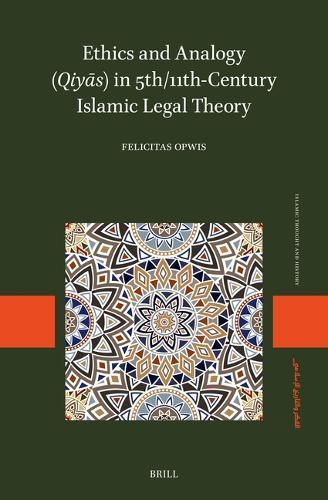
OverviewIn Ethics and Analogy (Qiyās) in 5th/11th-Century Islamic Legal Theory Felicitas Opwis presents how ʿAbd al-Jabbār, Abū l-Ḥusayn al-Baṣrī, al-Dabbūsī, al-Shīrāzī, and al-Juwaynī relate the ethical status of acts to their legal norm, and whether they apply the ethical content of divine rulings in the procedure of analogy when extending laws to new circumstances. The study draws attention to theological worldview as an explanatory factor of norm construction and a jurist’s approach to identifying the ratio legis of divine rulings. The book traces the shift, fully articulated later by al-Ghazālī, toward understanding the purpose of the divine law as attaining people’s maṣlaḥa in this life, which enables extending the law outside of Scripture and supports Ashʿarī legal universalism. Full Product DetailsAuthor: Felicitas OpwisPublisher: Brill Imprint: Brill Volume: 1 Dimensions: Width: 15.50cm , Height: 1.80cm , Length: 23.50cm Weight: 0.482kg ISBN: 9789004720770ISBN 10: 9004720774 Pages: 212 Publication Date: 30 January 2025 Audience: Professional and scholarly , Professional & Vocational Format: Hardback Publisher's Status: Active Availability: Manufactured on demand We will order this item for you from a manufactured on demand supplier. Table of ContentsReviewsAuthor InformationFelicitas Opwis, Ph.D. (2001), Yale University, is Associate Professor of Arabic and Islamic Studies at Georgetown University. She has published on the development of Islamic legal theory, in particular on the concept of maṣlaḥa and purpose of the law. Tab Content 6Author Website:Countries AvailableAll regions |
||||