|
|
|||
|
||||
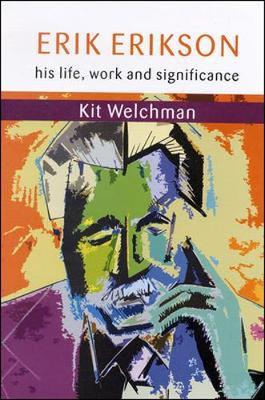
OverviewErik H. Erikson is widely considered one of the most influential thinkers to have merged from the field of psychoanalysis. His work is concerned with the relevance of psychotherapy to the everyday modern world. His significance lies in the issues he addresses, the concepts he provides, and the many still unresolved questions he poses on the relationship of the individual to society. It was Erikson who originated the term identity crisis and this book shows how his theories developed in response to his own life experience. It offers a comprehensive view of Erikson as a person, as a writer and thinker, and as a psychotherapist. As well as exploring the way Erikson's life and work are connected, this book examines the application of his thinking to contemporary social and political issues, and to current psychotherapeutic and counselling practice. His writings have a humanity and approachability that reach beyond the world of psychotherapy to consider questions fundamental to us all. These include the precariousness as well as the creative resilience of individual and group identities; racial and other forms of discrimination; non-violent conflict resolution; the generation gap; and issues of human development from childhood and adolescence to maturity and old age. This text will be of interest to counsellors and psychotherapists in training an din practice. It is also relevant to members of the caring professions seeking a deeper understanding of their work and its place in society. Full Product DetailsAuthor: WELCHMANPublisher: Open University Press Imprint: Open University Press Weight: 0.340kg ISBN: 9780335201587ISBN 10: 033520158 Pages: 201 Publication Date: 16 August 2000 Audience: Professional and scholarly , Professional and scholarly , Professional & Vocational , Postgraduate, Research & Scholarly Format: Hardback Publisher's Status: Out of Print Availability: Out of stock Table of ContentsReviewsAuthor InformationTab Content 6Author Website:Countries AvailableAll regions |
||||