Overview
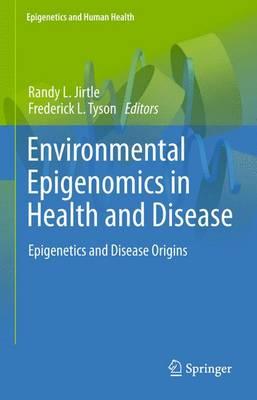
There are now compelling human epidemiological and animal experimental data that indicate the risk of developing adult-onset complex diseases and neurological disorders are influenced by persistent epigenetic adaptations in response to prenatal and early postnatal exposures to environmental factors. Epigenetics refers to heritable changes in gene function that occur without a change in the sequence of the DNA. The main components of the epigenetic code are DNA methylation, histone modifications, and non-coding RNAs. The epigenetic programs are established as stem cell differentiate during embryogenesis, and they are normally faithfully reproduced during mitosis. Moreover, they can also be maintained during meiosis, resulting in epigenetic transgenerational disease inheritance, and also potentially introducing phenotypic variation that is selected for in the evolution of new species. The objective of this book is to provide evidence that environmental exposures during early development can alter the risk of developing medical conditions, such as asthma, autism, cancer, cardiovascular disease, diabetes, obesity, and schizophrenia later in life by modifying the epigenome.
Full Product Details
Author: Randy L Jirtle , Frederick L. Tyson
Publisher: Springer-Verlag Berlin and Heidelberg GmbH & Co. KG
Imprint: Springer-Verlag Berlin and Heidelberg GmbH & Co. K
Edition: 2013 ed.
Dimensions:
Width: 15.50cm
, Height: 1.70cm
, Length: 23.50cm
Weight: 4.861kg
ISBN: 9783642427282
ISBN 10: 3642427286
Pages: 302
Publication Date: 15 June 2015
Audience:
College/higher education
,
Postgraduate, Research & Scholarly
Format: Paperback
Publisher's Status: Active
Availability: Manufactured on demand 
We will order this item for you from a manufactured on demand supplier.
Table of Contents
Preface Frederick L. Tyson.- Fetal Origins of Adult Disease Susceptibility.- 1) Randy L. Jirtle - Epigenetics: How Genes and Environment Interact.- 2) Peter D. Gluckman, Felicia M. Low, and Mark A. Hanson - Developmental Epigenomics and Metabolic Disease.- 3) Susan K. Murphy, and Cathrine Hoyo - Sculpting Our Future: Environmental Nudging of the Imprintome.- Epigenetics and Environmental Exposures.- 1) Christopher Faulk, and Dana C. Dolinoy - Complex Phenotypes: Epigenetic Manifestation of Environmental Exposure.- 2) Olga Kovalchuk - Epigenetic Effects of Ionizing Radiation.- 3) Kenneth S. Ramos, Ivo Teneng, Diego E. Montoya-Durango, Pasano Bojang, Mark T. Haeberle, Irma N. Ramos, Vilius Stribinskis, and Ted Kalbfleisch - The Intersection of Genetics and Epigenetics: Reactivation of Mammalian LINE-1 Retrotransposons by Environmental Injury.- Epigenetics, Gene Regulation, and Stem Cells.- 1) John M. Denu - Environmental Impact on Epigenetic Histone Language.- 2) Aleksandra B. Adomas, and Paul A. Wade - Chromatin Structure and Gene Expression - Function Follows Form.- 3) R. David Hawkins, and Bing Ren - Epigenetics of Pluripotency.- Epigenetic Transgenerational Inheritance.- 1) Luan Wang, Xiangyi Lu, and Douglas M. Ruden - Transgenerational Epigenetic Inheritance in Drosophila.- 2) Michael K. Skinner - Environmental Epigenetics and Epigenetic Transgenerational Inheritance.- 3) Marcus E. Pembrey, Lars O. Bygren, and Jean Golding - The Nature of Human Transgenerational Responses.-Subject Index
Reviews
Author Information
Tab Content 6
Author Website:
Countries Available
All regions
|