|
|
|||
|
||||
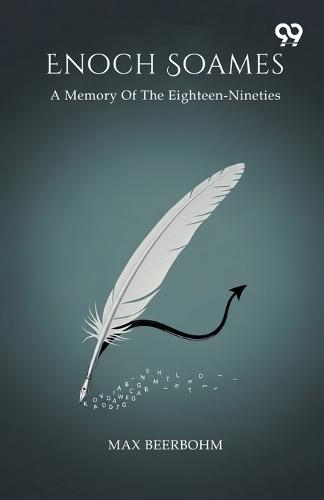
OverviewEnoch Soames: A memory of the eighteen nineties is a satirical novella exploring themes of artistic ambition and the quest for literary fame. The narrative follows a fictional poet whose yearning for recognition leads him to make a pact with the devil. This deal allows him to travel a century into the future to discover how his work is remembered. Despite his persistent hope, he finds that his legacy is remembered not with admiration but ridicule, revealing the harsh and often fleeting nature of literary success. The story uses a blend of humor, fantasy, and literary criticism to reflect on vanity, the desire for immortality through art, and the sometimes cruel judgment of posterity. The protagonist's plight highlights the fragile balance between aspiration and reality in the creative world. With sharp wit, the novella critiques the pursuit of greatness and underscores the sometimes tragic absurdity of seeking everlasting fame. It remains a poignant commentary on the human desire to be remembered and the ironic outcomes such desires may entail. Full Product DetailsAuthor: Max BeerbohmPublisher: Double 9 Books Imprint: Double 9 Books Dimensions: Width: 14.00cm , Height: 0.20cm , Length: 21.60cm Weight: 0.050kg ISBN: 9789374837139ISBN 10: 9374837137 Pages: 34 Publication Date: 01 October 2025 Audience: General/trade , General Format: Paperback Publisher's Status: Active Availability: Available To Order We have confirmation that this item is in stock with the supplier. It will be ordered in for you and dispatched immediately. Table of ContentsReviewsAuthor InformationSir Henry Maximilian Beerbohm (1872-1956), known as Max Beerbohm, was an influential English essayist, parodist, and caricaturist. He gained prominence in the 1890s for his wit, humor, and satirical commentary on society. Beerbohm worked as the drama critic for The Saturday Review from 1898 to 1910 before relocating to Rapallo, Italy, where he lived for the remainder of his life. He also became known for his occasional radio broadcasts in his later years. Beerbohm's most famous work is Zuleika Dobson (1911), a satirical novel about university life. He was also renowned for his caricatures of public figures, which are held in many major collections. Born in London, Beerbohm was the youngest of nine children. His father, Julius Ewald Edward Beerbohm, was a Lithuanian-born grain merchant, and his mother, Eliza Draper Beerbohm, came from a distinguished family. Among his other notable works are The Works of Max Beerbohm (1896), A Defence of Cosmetics (1896), The Happy Hypocrite (1897), More (1899), and Yet Again (1909). His legacy endures as one of the leading satirists of his era. Tab Content 6Author Website:Countries AvailableAll regions |
||||