Overview
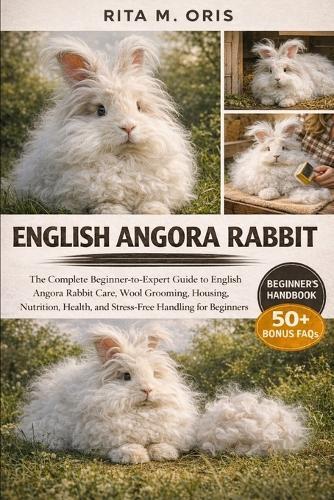
Introduction to the English Angora Rabbit Origins and Historical Background The English Angora rabbit is one of the oldest and most distinctive domestic rabbit breeds in the world, with a history that stretches back several centuries. Its story begins in the region historically known as Angora, modern-day Ankara in Turkey. This area was renowned for producing animals with exceptionally fine, soft fiber, including Angora goats and Angora cats. Rabbits with unusually long, silky fur were naturally occurring in this region, and early traders and travelers recognized the value of their luxurious coats long before formal breeding programs existed. By the early 18th century, Angora rabbits had made their way into Europe, particularly France and England. They quickly became fashionable among royalty and the upper class, not as livestock animals but as companions and novelty pets prized for their extraordinary wool. French aristocracy, including figures associated with the court of Louis XV, kept Angora rabbits both for pleasure and for fiber production, spinning their wool into fine garments. Over time, selective breeding refined these rabbits, emphasizing coat length, softness, and density rather than meat production or working utility. As Angora rabbits spread across Europe, distinct types began to emerge. Breeders noticed differences in facial furnishings, ear tufts, body size, and coat distribution. These variations eventually led to the recognition of separate Angora breeds, including the English, French, Satin, and Giant Angoras. Among these, the English Angora became known as the most heavily furnished and visually striking, with wool covering nearly every part of the body, including the face, ears, and legs. The breed was formally standardized in England and later recognized by rabbit breeding associations in Europe and North America. Over generations, breeders refined the English Angora not only for its wool but also for its gentle temperament and manageable size, making it particularly suitable for hobbyists and pet owners rather than commercial fiber farms. What Makes the English Angora Unique The English Angora stands apart from all other rabbit breeds primarily because of its coat. Unlike short-haired rabbits or even other Angora varieties, the English Angora is enveloped in dense, fine wool from nose to tail. This includes prominent facial furnishings that often form a soft fringe around the eyes and cheeks, as well as noticeable ear tufts that enhance its plush, toy-like appearance. For beginners, this visual charm is often what draws them to the breed in the first place. Beyond appearance, the texture of English Angora wool is exceptionally soft and fine. It lacks the coarse guard hairs found in many other rabbit breeds, resulting in a lightweight fiber that feels almost cloud-like. This wool grows continuously and requires regular grooming and management, which is both the breed's greatest appeal and its greatest responsibility. Unlike rabbits that shed minimally, the English Angora demands active human involvement to maintain coat health and overall wellbeing. Another defining characteristic is size and structure. English Angoras are generally smaller and more compact than French or Giant Angoras. Their rounded bodies, short necks, and small ears give them a balanced, gentle appearance. This smaller stature makes them easier to handle for beginners, provided proper techniques are learned, and allows them to adapt well to indoor living environments. Temperament is another feature that sets the English Angora apart. Generations of selective breeding have produced rabbits that are typically calm, docile, and people-oriented. While individual personalities vary, many English Angoras enjoy gentle handling, quiet companionship, and predictable routines. This makes them well-suited for patient beginners who are willing to invest time in daily care and bonding.
Full Product Details
Author: Rita M Oris
Publisher: Independently Published
Imprint: Independently Published
Dimensions:
Width: 15.20cm
, Height: 0.80cm
, Length: 22.90cm
Weight: 0.200kg
ISBN: 9798245203799
Pages: 142
Publication Date: 23 January 2026
Audience:
General/trade
,
General
Format: Paperback
Publisher's Status: Active
Availability: Available To Order

We have confirmation that this item is in stock with the supplier. It will be ordered in for you and dispatched immediately.