Overview
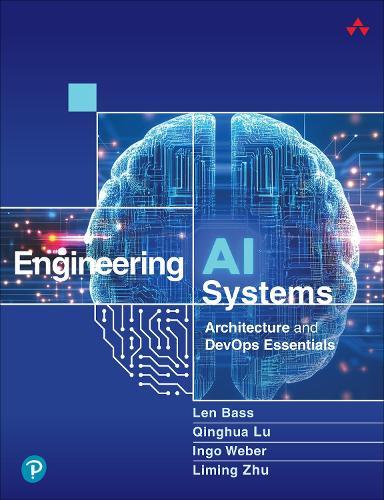
Master the Engineering of AI Systems: The Essential Guide for Architects and Developers In today's rapidly evolving world, integrating artificial intelligence (AI) into your systems is no longer optional. Engineering AI Systems: Architecture and DevOps Essentials is a comprehensive guide to mastering the complexities of AI systems engineering. This book combines robust software architecture with cutting-edge DevOps practices to deliver high-quality, reliable, and scalable AI solutions. Experts Len Bass, Qinghua Lu, Ingo Weber, and Liming Zhu demystify the complexities of engineering AI systems, providing practical strategies and tools for seamlessly incorporating AI in your systems. You will gain a comprehensive understanding of the fundamentals of AI and software engineering and how to combine them to create powerful AI systems. Through real-world case studies, the authors illustrate practical applications and successful implementations of AI in small- to medium-sized enterprises across various industries, and offer actionable strategies for designing, building, and operating AI systems that deliver real business value. Lifecycle management of AI models, from data preparation to deployment Best practices in system architecture and DevOps for AI systems System reliability, performance, and security in AI implementations Privacy and fairness in AI systems to build trust and achieve compliance Effective monitoring and observability for AI systems to maintain operational excellence Future trends in AI engineering to stay ahead of the curve Equip yourself with the tools and understanding to lead your organization's AI initiatives. Whether you are a technical lead, software engineer, or business strategist, this book provides the essential insights you need to successfully engineer AI systems. Register your book for convenient access to downloads, updates, and/or corrections as they become available. See inside book for details.
Full Product Details
Author: Len Bass ,
Qinghua Lu ,
Ingo Weber ,
Liming Zhu
Publisher: Pearson Education (US)
Imprint: Addison Wesley
Dimensions:
Width: 17.50cm
, Height: 1.40cm
, Length: 23.00cm
Weight: 0.541kg
ISBN: 9780138261412
ISBN 10: 0138261415
Pages: 320
Publication Date: 18 March 2025
Audience:
Professional and scholarly
,
Professional & Vocational
Format: Paperback
Publisher's Status: Active
Availability: Available To Order

We have confirmation that this item is in stock with the supplier. It will be ordered in for you and dispatched immediately.
Author Information
Dr. Len Bass is a seasoned researcher with over 30 years in software architecture and more than a decade in DevOps. He has been teaching DevOps to graduate students for seven years and is the author of a bestselling book on software architecture, along with three books on DevOps. Dr. Qinghua Lu is a principal research scientist at CSIRO's Data61, leading the Software Engineering for AI and Responsible AI science teams. She is a coauthor of Responsible AI: Best Practices for Creating Trustworthy AI Systems (Addison-Wesley, 2024). Prof. Dr. Ingo Weber is a professor at the Technical University of Munich and Director of Digital Transformation and ICT Infrastructure at Fraunhofer-Gesellschaft. He has written numerous publications and textbooks, including DevOps: A Software Architect’s Perspective and Architecture for Blockchain Applications. Dr. Liming Zhu is a research director at CSIRO's Data61 and is a conjoint professor at University of New South Wales. He contributes to various AI safety and standards committees and has written over 300 papers. He is coauthor of Responsible AI: Best Practices for Creating Trustworthy AI Systems.