|
|
|||
|
||||
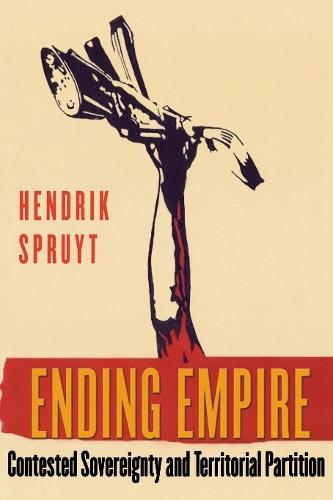
OverviewSpruyt examines these dynamics in the democratic colonial empires of Britain, France, and the Netherlands. He then turns to the authoritarian Portuguese empire and the break-up of the Soviet Union. Finally, the author submits that this theory, which speaks to the political dynamics of partition, can be applied to other contested territories, including those at the heart of the Arab-Israeli conflict. Full Product DetailsAuthor: Hendrik SpruytPublisher: Cornell University Press Imprint: Cornell University Press Dimensions: Width: 15.50cm , Height: 2.50cm , Length: 23.50cm Weight: 0.907kg ISBN: 9780801443145ISBN 10: 0801443148 Pages: 326 Publication Date: 23 March 2005 Audience: General/trade , College/higher education , Professional and scholarly , General , Tertiary & Higher Education Format: Hardback Publisher's Status: Active Availability: Manufactured on demand We will order this item for you from a manufactured on demand supplier. Table of ContentsReviewsIn Ending Empire, Hendrik Spruyt addresses the collapse of overseas empires and, in one case, a multinational state/continental empire. Spruyt shines in his talent for combing theoretically informed analysis with deep historical research across multiple cases. Ending Empire is a remarkable achievement. - David A. Lake, University of California, San Diego Author InformationHendrik Spruyt is Norman Dwight Harris Professor of International Relations at Northwestern University. He is the author of The Sovereign State and Its Competitors, which won the J. David Greenstone Award given by the History and Politics Section of the American Political Science Association. Tab Content 6Author Website:Countries AvailableAll regions |
||||