Overview
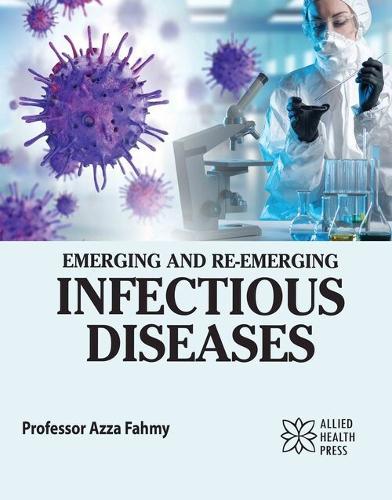
Emerging and re-emerging infections arise when pathogens adapt, jump species, or exploit ecological and social change. This book explores drivers such as land use change, globalization, antimicrobial resistance, and climate shifts, and explains how surveillance, early detection, and rapid response can blunt their impact. It integrates One Health perspectives on zoonoses, diagnostic and genomic tools for pathogen discovery, and frameworks for outbreak investigation and risk communication. Chapters on vaccine development, therapeutics, and policy approaches emphasize preparedness and resilient health systems. Aimed at researchers, public-health planners, and policymakers, it combines theory with case examples to inform practical readiness efforts.
Full Product Details
Author: Azza Fahmy
Publisher: Arcler Press
Imprint: Delve Publishing
ISBN: 9781779567956
ISBN 10: 1779567952
Publication Date: 15 January 2026
Audience:
Professional and scholarly
,
Professional & Vocational
Format: Hardback
Publisher's Status: Active
Availability: Out of stock

The supplier is temporarily out of stock of this item. It will be ordered for you on backorder and shipped when it becomes available.
Author Information
Professor Azza Fahmy is a distinguished Egyptian parasitologist and senior academic at the Theodore Bilharz Research Institute, with a PhD in Comparative Physiology and a distinguished record of contributions to parasitic disease research, diagnostics, and experimental therapy. Her work has significantly advanced both laboratory and clinical approaches to parasitic infections, with a focus on novel therapeutics, smart diagnostics, and host-pathogen interactions. Professor Fahmy has authored numerous peer-reviewed publications covering a wide range of research themes, including: Experimental therapies for schistosomiasis, trichinellosis, cryptosporidiosis, toxoplasmosis, and giardiasis using agents such as GABA, Lepidium sativum, Albendazole, Mefloquine, and Commiphora molmol. Nanotechnology-based drug delivery systems in cancer therapy. The role of the microbiome in human health, and the immunomodulatory effects of parasitic antigens. Stem cell-based interventions for hepatic granuloma reversal in schistosomiasis models. Evaluations of plant-derived antiparasitic compounds (e.g., Cyperus rotundus, Syzygium aromaticum). Public health and policy-focused studies on antihypertensive medication adherence and its economic burden. Pioneering reviews on AI applications in healthcare, including the early diagnosis of diabetic foot ulcers and chronic disease prediction. Her diagnostic innovations, such as antigen-based ELISAs, have improved the detection of various parasitic infections. She also engages in molecular diagnostics, immunopathology, and host-parasite interaction studies, enriching the field with both basic and translational insights. An active reviewer for several leading parasitology and biomedical journals, Professor Fahmy contributes to maintaining rigorous academic standards across disciplines. She is committed to professional development and global collaboration, frequently presenting at international symposia and fostering research partnerships.