|
|
|||
|
||||
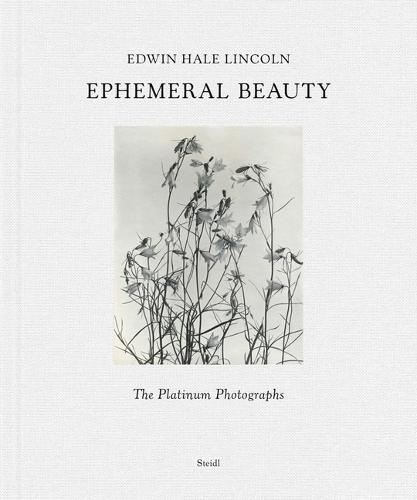
OverviewIn this first book-length appraisal of his work, Edwin Hale Lincoln (1848–1938) is shown to be an independent artist who sought to preserve glimpses of fleeting beauty with his camera. Affiliated with the American Arts and Crafts movement, Lincoln began his photographic career in Boston, specializing in interiors. In the 1880s he started documenting yacht races, using then new technology to freeze the glorious motion of sailing ships, including the famed yacht America. Lincoln later moved to western Massachusetts where he captured the motifs for which he is best known: centuries-old trees, delicate wildflowers and orchids. These subjects had something in common with the great wooden sailing ships—they were vanishing. As engine power replaced the elegance of sails, millions of elms and chestnut trees would soon die off, fragile flora risked extinction. Lincoln sought to eternalize their essences in his work. Based on 30 years of research, Ephemeral Beauty. The Platinum Photographs reveals the strikingly modernist character of Lincoln’s work, and explores his influences, from Ralph Waldo Emerson to Gustav Stickley, as well as rediscovering the publication of his photographs in illustrated popular magazines and books. Edwin Hale Lincoln’s vast series remind us of photography’s original ambition to reproduce the world in order to save it—as durably and beautifully as possible on platinum paper—and of an individual photographer’s unshakable faith that such a task was not above his personal abilities. - François Brunet Full Product DetailsAuthor: Bill BeckerPublisher: Steidl Publishers Imprint: Steidl Verlag ISBN: 9783958297500ISBN 10: 3958297501 Pages: 144 Publication Date: 27 June 2024 Audience: General/trade , General Format: Hardback Publisher's Status: Active Availability: Not yet available This item is yet to be released. You can pre-order this item and we will dispatch it to you upon its release. Table of ContentsReviewsAuthor InformationEdwin Hale Lincoln (1848–1938) served as a drummer boy in the Civil War and later became a national leader of Civil War veterans. He began photographing in Boston around 1874, documenting yacht races and the extravagant summer homes of the Gilded Age in the 1880s. Lincoln’s photographs were awarded numerous medals at photographic exhibitions (including one that put him on a par with a young Alfred Stieglitz in 1891), but two years later he stopped exhibiting and moved to western Massachusetts. There Lincoln photographed ancient trees and endangered wildflowers and orchids, which he self-published in elegant volumes of mounted platinum prints. His photographs have been printed in many books and magazines, among them Gustav Stickley’s The Craftsman. Tab Content 6Author Website:Countries AvailableAll regions |
||||