|
|
|||
|
||||
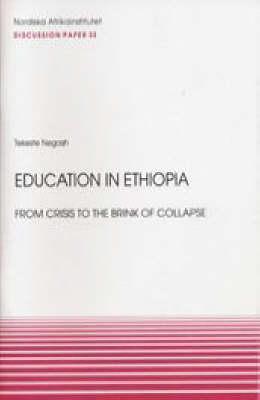
OverviewThe main focus of the study is the deepening crisis of the Ethiopian education system. This study reconstructs the growth of the crisis of the sector during the last four decades. It then discusses the implications of the crisis in terms of communication breakdown; absence of analytical capacity at system level; the fragmentation of society; loss of political legitimacy and perpetuation of authoritarian power. Although the education sector has greatly expanded its impact on poverty alleviation has so far been insignificant. The poverty landscape has changed to the worse during the last fifty years. This is largely due to the fact that the Ethiopian education system is based on false premises. At the center of the crisis is the use of English as medium of instruction. The proficiency in English is so low that its continued use as a medium of instruction can only lead to the collapse of the education system. The study argues that it is only through language (readily understood and practiced) that collective life and the world can be interpreted in an integrated manner. The replacement of English by Ethiopian languages all the way from the primary to tertiary levels is one of the factors that could strengthen the survival potential of the Ethiopian political community.The study is relevant for policy makers and students of development studies on the role of education in social change in Africa south of the Sahara. Full Product DetailsAuthor: Tekeste NegashPublisher: Nordic Africa Institute Imprint: Nordic Africa Institute Volume: 33 Dimensions: Width: 16.50cm , Height: 0.60cm , Length: 24.10cm Weight: 0.127kg ISBN: 9789171065766ISBN 10: 9171065768 Pages: 54 Publication Date: 01 August 2006 Audience: General/trade , General Format: Undefined Publisher's Status: Unknown Availability: Awaiting stock Table of ContentsReviewsAuthor InformationTab Content 6Author Website:Countries AvailableAll regions |
||||