Overview
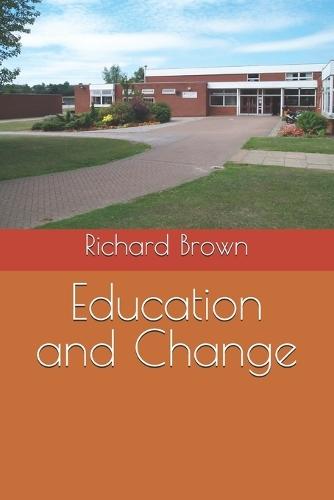
This is my hundredth published book as a paperback or Kindle. The essays in this volume fall into several categories. Chapters 1-7 are largely concerned with the issue of teaching history. The first chapter explores briefly the nature of debate in history and teaching history that began in the late-1960s and gained momentum in the 1970s just when I started teaching. Chapter 2 provides an exploration of considering the past largely through the histories of my parents' families and especially through exploring the value of stories. Chapters 3 and 4 consider the nature of learning history and the meaning of historical literacy. Chapter 5 considers the question of what is an 'historically educated person'. Chapter 6 is based on a piece of classroom research I undertook in 2001 that explored the nature of historical thinking and how that is achieved in the classroom. The final chapter in this tranche of essays was written as part of my assessment for the Advanced Diploma in History. Chapters 8 and 9 concern managing teaching and learning. Hurtling towards a Black Hole combines essays that were originally drafted in 2004 and 2006, in the latter stages of my career. Teachers are no longer divorced from the institutional structures of society if they ever were. Teachers are rightly accountable for their actions and the results of their actions. The broad and balanced curriculum had been superseded by the needs-based curriculum by the time I left the classroom. Chapter 9 considers managing and focuses on organisational and management issues that were important in the six years before I retired but are still relevant today. Chapters 10, 11 and 12 are the result of research conducted at Cambridge University in the academic year 1985-1986 when I took an M. Phil based on educational theory and practice. The 11-16 Curriculum explores how this curriculum developed in the early years of the National Curriculum. The Anatomy of Apathy considered the question of political awareness and played a significant role in my later development of a Citizenship curriculum. Finally, the question of the consensus curriculum developed by German philosopher Jürgen Habermas is examined and its application to learning critiqued, I have also written on the history of education and have included two examples. Chapter 13 is on sixteenth century educational thinking in England and especially France while Chapter 14 explores war, society and education and examines the effects of the Great War on the reform of English schooling. The last two essays look at more recent issues. Chapter 15 considers the demise of the Schools Council while Chapter 16 looks at higher education and the market between 2010 and 2024 and was written in the opening days of the Labour government.
Full Product Details
Author: Richard Brown
Publisher: Independently Published
Imprint: Independently Published
Volume: 6
Dimensions:
Width: 15.20cm
, Height: 2.10cm
, Length: 22.90cm
Weight: 0.522kg
ISBN: 9798195041168
Pages: 392
Publication Date: 06 May 2026
Audience:
General/trade
,
General
Format: Paperback
Publisher's Status: Active
Availability: Available To Order

We have confirmation that this item is in stock with the supplier. It will be ordered in for you and dispatched immediately.