|
|
|||
|
||||
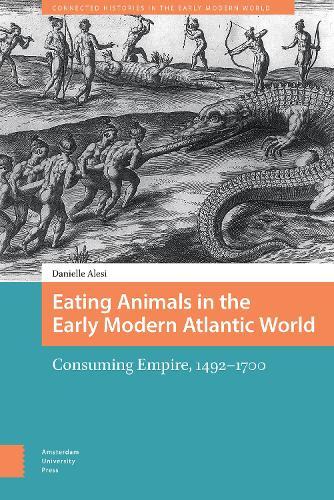
OverviewThis book examines how the perceived edibility of animals evolved during the colonization of the Americas. Early European colonizers ate a variety of animals in the Americas, motivated by factors like curiosity, starvation, and diplomacy. As settlements increased and became more sustainable, constructs of edibility shifted and the colonial food system evolved accordingly. By exploring the changes in animal edibility identifiable in early modern Spanish, French, and English sources in the regions of Mesoamerica, Greater Amazonia, and the east coast of North America, this book shows that animals, foodways, and settler colonialism are inextricably linked and that the colonization of the Americas was not only the beginning of new empires, but also of a long-lasting colonial food culture that drives both food systems and human-animal relationships to the present day. Full Product DetailsAuthor: Danielle AlesiPublisher: Pallas Publications Imprint: Pallas Publications Weight: 0.440kg ISBN: 9789048560172ISBN 10: 9048560179 Pages: 156 Publication Date: 05 August 2025 Audience: College/higher education , Professional and scholarly , Postgraduate, Research & Scholarly , Professional & Vocational Format: Hardback Publisher's Status: Active Availability: Manufactured on demand We will order this item for you from a manufactured on demand supplier. Table of ContentsReviewsAuthor InformationDanielle Alesi is an Assistant Professor of History at Nazareth University in Rochester, NY. She teaches and publishes on medieval and early modern colonialism, environmentalism, animal, and food history in Europe and the Atlantic World. Tab Content 6Author Website:Countries AvailableAll regions |
||||