|
|
|||
|
||||
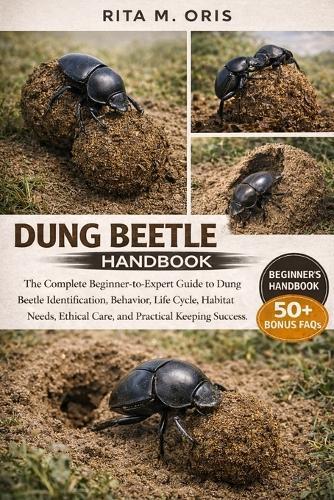
OverviewIntroduction to Dung Beetles Origins and Ecological Importance Dung beetles are among the Earth's most ancient and resilient nutrient recyclers, existing long before humans learned to cultivate crops or manage livestock. Their evolutionary lineage stretches back millions of years, emerging in ecosystems where large herbivores roamed freely and created natural cycles of abundance and decay. From the beginning, dung beetles developed a remarkable specialization: transforming animal waste into fertile soil, cleaner habitats, and renewed plant growth. This may seem like a simple task at first glance, but the depth of their ecological influence is so profound that many landscapes would collapse into imbalance without their constant, tireless work. Every movement of a dung beetle, from rolling a ball to excavating tunnels, carries an ecological purpose larger than the beetle itself. They prevent parasite spread, reduce disease loads, bury nutrients for plant roots, aerate soil, and even help disperse seeds hidden within herbivore dung. These small insects operate like silent custodians of the natural world, shaping entire ecosystems through behaviors refined across deep evolutionary time. Full Product DetailsAuthor: Rita M OrisPublisher: Independently Published Imprint: Independently Published Dimensions: Width: 15.20cm , Height: 1.00cm , Length: 22.90cm Weight: 0.268kg ISBN: 9798245088099Pages: 194 Publication Date: 23 January 2026 Audience: General/trade , General Format: Paperback Publisher's Status: Active Availability: Available To Order We have confirmation that this item is in stock with the supplier. It will be ordered in for you and dispatched immediately. Table of ContentsReviewsAuthor InformationTab Content 6Author Website:Countries AvailableAll regions |
||||