Overview
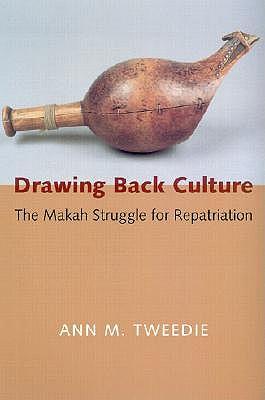
""Although tribal and museum repatriation programs must be developed for specific communities and cultures, other tribes and museums will find much of value in this history and case study, as will all those with an interest in tribal affairs and material culture. It is both a serious and significant work of scholarship and an emotionally engaging success story."" - from the Foreword by Janine Bowechop, Executive Director, Makah Cultural and Research Center The Makah Indians of Washington State - briefly in the national spotlight when they resumed their ancient whaling traditions in 1999 - have begun a process that will eventually lead to the repatriation of objects held by museums and federal agencies nationwide. Drawing Back Culture describes the early stages of the tribe's implementation of what some consider to be the most important piece of cultural policy legislation in the history of the United States: the Native American Graves Protection and Repatriation Act (NAGPRA). NAGPRA was passed by Congress in 1990 to give Native people a mechanism through which they could reclaim specific objects of importance to the tribe. Because NAGPRA definitions were intended for widespread applicability, each tribe must negotiate a fit between these definitions and their own material culture. The conception of ownership lies at the heart of the Makahs' struggle to implement NAGPRA. Tweedie explores their historical patterns of ownership, and demonstrates the challenges of implementing legislation which presumes a concept of communal ownership foreign to the Makahs' highly developed and historically documented patterns of personal ownership of both material culture and intellectual property. Drawing Back Culture explores how NAGPRA implementation has been working at the tribal level, from the perspective of a tribe struggling to fit the provisions of the law with its own sense of history, ownership, and the drive for cultural renewal.
Full Product Details
Author: Ann M. Tweedie ,
Janine Bowechop
Publisher: University of Washington Press
Imprint: University of Washington Press
Dimensions:
Width: 15.20cm
, Height: 1.90cm
, Length: 22.90cm
Weight: 0.476kg
ISBN: 9780295981956
ISBN 10: 0295981954
Pages: 208
Publication Date: 01 April 2002
Audience:
Professional and scholarly
,
Professional & Vocational
Format: Hardback
Publisher's Status: Active
Availability: In Print

This item will be ordered in for you from one of our suppliers. Upon receipt, we will promptly dispatch it out to you. For in store availability, please contact us.
Reviews
"""Although tribal and museum repatriation programs must be developed for specific communities and cultures, other tribes and museums will find much of value in this history and case study, as will all those with an interest in tribal affairs and material culture. It is both a serious and significant work of scholarship and an emotionally engaging success story.""--from the Foreword by Janine Bowechop, Executive Director, Makah Cultural and Research Center"
Although tribal and museum repatriation programs must be developed for specific communities and cultures, other tribes and museums will find much of value in this history and case study, as will all those with an interest in tribal affairs and material culture. It is both a serious and significant work of scholarship and an emotionally engaging success story. --from the Foreword by Janine Bowechop, Executive Director, Makah Cultural and Research Center
Author Information
Ann Tweedie is a social anthropologist and museum consultant in Pleasantville, New York.