|
|
|||
|
||||
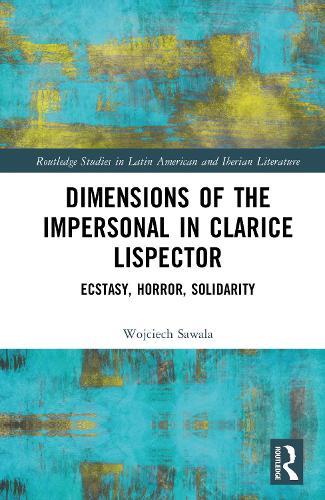
OverviewFull Product DetailsAuthor: Wojciech SawalaPublisher: Taylor & Francis Ltd Imprint: Routledge Weight: 0.580kg ISBN: 9781032621975ISBN 10: 1032621974 Pages: 218 Publication Date: 17 September 2025 Audience: College/higher education , Tertiary & Higher Education Format: Hardback Publisher's Status: Active Availability: Not yet available This item is yet to be released. You can pre-order this item and we will dispatch it to you upon its release. Table of ContentsAcknowledgements Introduction Chapter 1. Constructing/Dismantling Personhood Humanity as a Dispositif “Human Setup”: On the History of the Notion of a Person Persona as Human’s Ontological Status Beyond the Dispositif of a Person: What Remains Ethics of Impersonality Chapter 2. Depersonalizations: Modernism and Jewish Tradition Modernist Depersonalizations Fernando Pessoa: Depersonalization and Abulia Hermann Hesse: Through Multiplicity Toward Unity Impersonality in Brazilian Modernism Clarice Lispector: A Writer, a Mystic, a Messianist Chapter 3. Dialectics of Personhood: Infancy and Puberty Telephone as a Synecdoche of the Dispositif A Person as a Dispositif: Humanization as Banishment from Being Human Life as a Dialectic of Personalization and Depersonalization Fetal and Infant Life as an Impersonal State Domestication of Child, Animal, and God Maturing as the Emergence of a Person from an Impersonal Background Chapter 4. Crisis of Personhood: Horror and Ecstasy Home and Ontological Security The Vegetal Space of Impersonality Freedom and Beauty The Horror of Impersonality: Lispector and the “Heart of Darkness” The Ascetic-Mystical Experience: From “the Self” Toward Nothingness Layers and Seduction Biological Life as an Object of Disgust Chapter 5. Impersonalist Ethics: Toward Solidarity with the Bare Life The Political Dimension of the Bare Life Encounter with the Cockroach: Approaching the Bare Life Literary Study of Conditions for “Affirmative Biopolitics” Messianic Coda: “We shall be inhuman…” Bibliography IndexReviewsSawala’s journey into “impersonality” in Lispector’s work offers a profound insight on the hiatus between subjectivity and “life itself,” that is, the “inhuman” areas of existence. His singular analysis enhances our understanding of modernist literature while illuminating significant ethical implications. It is, thus, an essential contribution to contemporary literary debates. – Diana Klinger, Associate Professor of Literary Theory, Universidade Federal Fluminense, Brazil With a fresh and au courant theoretical approach, this study underscores incisively and masterfully Clarice Lispector’s ideological concerns regarding the invisible and unjust social and racial relations in Brazil which, for the most part, have heretofore been critically scant or neglected in her work. – Nelson H. Vieira, University Professor and Professor of Portuguese & Brazilian Studies and Judaic Studies, Brown University, USA Author InformationWojciech Sawala is an assistant professor in the Department of Portuguese at Adam Mickiewicz University of Poznan, Poland. Comparatist and Latin Americanist, he specializes in the continent’s twentieth-century narrative classics, including Borges, Cortázar, Lispector, and Guimarães Rosa. His research interests include biopolitics, postsecularism and Jewish messianism. Tab Content 6Author Website:Countries AvailableAll regions |
||||