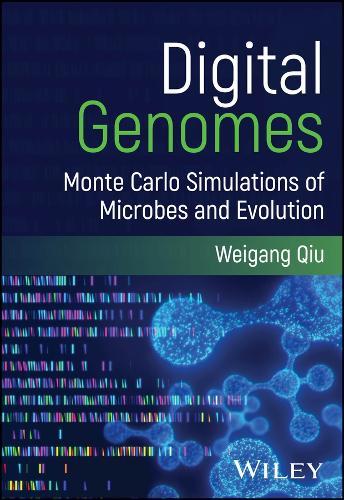
Digital Genomes: Monte Carlo Simulations of Microbes and Evolution

Author:   Weigang Qiu (City University of New York)
Publisher:   John Wiley & Sons Inc
ISBN:  

9781394314614


Pages:   240
Publication Date:   01 March 2026
Format:   Paperback
Availability:   Available To Order   Availability explained
We have confirmation that this item is in stock with the supplier. It will be ordered in for you and dispatched immediately.

Our Price $133.95 Quantity:  
Add to Cart

Share |

Digital Genomes: Monte Carlo Simulations of Microbes and Evolution


Overview

An expert discussion of simulation-based approaches to teaching genome sciences In Digital Genomes: Monte Carlo Simulations of Microbes and Evolution, distinguished researcher Weigang Qiu delivers a comprehensive exploration of the role of Monte Carlo simulations in understanding complex biological processes. Beginning with an introduction to microbial evolution, computer simulations, and evolutionary algorithms, the book moves on to explore the evolution of DNA sequences and concepts like neutral evolution, Mendelian inheritance, Darwinian natural selection, and genome evolution. Qiu offers exercises to help readers retain the concepts discussed within, as well as links to open-source code on a complimentary companion website. Those links point to code that serves as a programming recipe for solving evolutionary problems that can be implemented in Python, Bash, R, and other popular programming languages. Readers will also find: A thorough introduction to a new approach to teaching population genetics and evolution Comprehensive explorations of algorithm-centered, programming language-agnostic learning Practical exercises at the end of each chapter that clarify key concepts with guided application In-depth treatments of evolutionary mechanisms, like recombination, genetic linkage, balancing selection, genome evolution, bacterial clonality, and negative frequency-dependent selection Perfect for senior undergraduate and graduate students studying population genetics, evolution, genetics, and bioinformatics, this book will also benefit researchers with an interest in evolutionary biology, genetics, microbiology, and virology.

Full Product Details

Author:   Weigang Qiu (City University of New York)
Publisher:   John Wiley & Sons Inc
Imprint:   John Wiley & Sons Inc
ISBN:  

9781394314614


ISBN 10:   1394314612
Pages:   240
Publication Date:   01 March 2026
Audience:   College/higher education ,  Undergraduate ,  Postgraduate, Research & Scholarly
Format:   Paperback
Publisher's Status:   Active
Availability:   Available To Order   Availability explained
We have confirmation that this item is in stock with the supplier. It will be ordered in for you and dispatched immediately.

Table of Contents

                                                                       Table of Contents   Contents Preface v Contents ix List of Tables xv List of Algorithms xvii List of Figures xxi 1 Introduction & Overview 1 1.1 Microbial evolution . . . . . . . . . . . . . . . . . . . . . . . . . . . . . . . . . . . . . 1 1.2 Probability by simulation . . . . . . . . . . . . . . . . . . . . . . . . . . . . . . . . . . 2 1.3 A learner’s guide . . . . . . . . . . . . . . . . . . . . . . . . . . . . . . . . . . . . . . 3 1.3.1 Notes on algorithms . . . . . . . . . . . . . . . . . . . . . . . . . . . . . . 3 1.3.2 Content overview . . . . . . . . . . . . . . . . . . . . . . . . . . . . . . . 4 1.3.3 Algorithm-centered learning . . . . . . . . . . . . . . . . . . . . . . . . . 5 2 Digital Genomes 11 2.1 Random DNA sequences . . . . . . . . . . . . . . . . . . . . . . . . . . . . . . . . . . 12 2.2 DNA replication and transcription . . . . . . . . . . . . . . . . . . . . . . . . . . . . 14 2.3 Genetic code and DNA translation . . . . . . . . . . . . . . . . . . . . . . . . . . . . 14 3 Digital Populations 23 3.1 Quantifying genetic diversity . . . . . . . . . . . . . . . . . . . . . . . . . . . . . . . 24 3.1.1 Haploid populations . . . . . . . . . . . . . . . . . . . . . . . . . . . . . . 24 3.1.2 Diploid populations . . . . . . . . . . . . . . . . . . . . . . . . . . . . . . 27 3.2 Genetic drift . . . . . . . . . . . . . . . . . . . . . . . . . . . . . . . . . . . . . . . . . 29 3.3 Mutation . . . . . . . . . . . . . . . . . . . . . . . . . . . . . . . . . . . . . . . . . . . 30 3.4 Recombination . . . . . . . . . . . . . . . . . . . . . . . . . . . . . . . . . . . . . . . . 34 3.5 Natural selection . . . . . . . . . . . . . . . . . . . . . . . . . . . . . . . . . . . . . . 35 3.6 Trait-associated SNPs . . . . . . . . . . . . . . . . . . . . . . . . . . . . . . . . . . . 37 3.6.1 Binary traits . . . . . . . . . . . . . . . . . . . . . . . . . . . . . . . . . . 40 3.6.2 Quantitative traits . . . . . . . . . . . . . . . . . . . . . . . . . . . . . . . 40 4 Digital Species 47 4.1 Population divergence . . . . . . . . . . . . . . . . . . . . . . . . . . . . . . . . . . . 47 4.2 Species divergence . . . . . . . . . . . . . . . . . . . . . . . . . . . . . . . . . . . . . 52 4.3 Trait evolution on a tree: binary traits . . . . . . . . . . . . . . . . . . . . . . . . . . 56 4.4 Trait evolution on a tree: quantitative traits . . . . . . . . . . . . . . . . . . . . . . 58 5 Digital Life and Learning 63 5.1 Fitness landscape . . . . . . . . . . . . . . . . . . . . . . . . . . . . . . . . . . . . . . 64 5.2 Fitness ascent with greedy and genetic algorithms . . . . . . . . . . . . . . . . . . . 66 5.3 Open-ended evolution with novelty search . . . . . . . . . . . . . . . . . . . . . . . . 68 5.4 Self-optimization with Hebbing learning and Hopfield networks . . . . . . . . . . . 71 5.5 Foresighted evolution with perceptron . . . . . . . . . . . . . . . . . . . . . . . . . . 73 5.6 Artificial life with finite automata . . . . . . . . . . . . . . . . . . . . . . . . . . . . . 78 5.7 Case study: evolution-inspired vaccine designs . . . . . . . . . . . . . . . . . . . . . 81 6 Gene Frequencies as Genetic Information 87 6.1 Frequentist vs. Bayesian paradigms . . . . . . . . . . . . . . . . . . . . . . . . . . . . 88 6.2 Case Study: Taster/Non-taster gene frequencies in New York City . . . . . . . . . 89 6.3 Quantifying genetic information . . . . . . . . . . . . . . . . . . . . . . . . . . . . . . 91 6.3.1 Diversity at a single locus . . . . . . . . . . . . . . . . . . . . . . . . . . 94 6.3.2 Diversity at two loci . . . . . . . . . . . . . . . . . . . . . . . . . . . . . . 95 6.3.3 Distance between populations . . . . . . . . . . . . . . . . . . . . . . . . 98 6.4 Case Studies: Gene frequencies of Lyme bacteria in eastern United States . . . . . 99 6.4.1 Strains as bacterial individuals . . . . . . . . . . . . . . . . . . . . . . . . 100 6.4.2 Hyper alleleic diversity at ospC . . . . . . . . . . . . . . . . . . . . . . . 102 6.4.3 Population divergence . . . . . . . . . . . . . . . . . . . . . . . . . . . . . 107 6.4.4 Association between loci . . . . . . . . . . . . . . . . . . . . . . . . . . . 107 7 Mendelian Genetics and Darwinian Selection 111 7.1 Neutral evolution . . . . . . . . . . . . . . . . . . . . . . . . . . . . . . . . . . . . . . 112 7.1.1 Blending vs Mendenlian inheritance . . . . . . . . . . . . . . . . . . . . . 112 7.1.1.1 Blending inheritance . . . . . . . . . . . . . . . . . . . . . . . . 112 7.1.1.2 Mendelian inheritance & Hardy-Weinberg Equilibrium . . . . 113 7.1.2 Departure to HWE due to demography . . . . . . . . . . . . . . . . . . 115 7.1.3 Case Study: Wahlund Effect in New York City . . . . . . . . . . . . . . 116 7.2 Darwinian selection . . . . . . . . . . . . . . . . . . . . . . . . . . . . . . . . . . . . . 121 7.2.1 Haplotype selection . . . . . . . . . . . . . . . . . . . . . . . . . . . . . . 121 7.2.2 Mutation-selection balance . . . . . . . . . . . . . . . . . . . . . . . . . . 121 7.2.3 Genotype selection . . . . . . . . . . . . . . . . . . . . . . . . . . . . . . 126 7.2.3.1 Heterozygote advantages and disadvantages . . . . . . . . . . 126 7.2.3.2 Case Study: Sickle-cell over-dominance in Africa . . . . . . . 126 7.3 Frequency-dependent selection (FDS) . . . . . . . . . . . . . . . . . . . . . . . . . . 130 8 Stochastic Evolution with Genetic Drift 135 8.1 Forward- and backward-evolution simulations . . . . . . . . . . . . . . . . . . . . . . 136 8.1.1 Track allele frequencies . . . . . . . . . . . . . . . . . . . . . . . . . . . . 136 8.1.2 Track identities by descent . . . . . . . . . . . . . . . . . . . . . . . . . . 137 8.1.3 The coalescent . . . . . . . . . . . . . . . . . . . . . . . . . . . . . . . . . 140 8.2 Neutral DNA polymophisms . . . . . . . . . . . . . . . . . . . . . . . . . . . . . . . . 140 8.2.1 Nucleotide diversity . . . . . . . . . . . . . . . . . . . . . . . . . . . . . . 144 8.2.2 Haplotype diversity with clonality . . . . . . . . . . . . . . . . . . . . . . 145 8.3 Case study: Genetic structures of Lyme bacteria and tick vectors in eastern United States . . . . . . . . . . . . . . . . . . . . . . . . . . . . . . . . . . . . . . . . . . . . . 149 8.3.1 Ixodes ticks: northern expansion and sourthern contraction . . . . . . . 150 8.3.2 Borrelia bacteria: diversifying selection . . . . . . . . . . . . . . . . . . . 152 9 Recombination: Genomic Footprints 157 9.1 Four gametes and novel haplotypes . . . . . . . . . . . . . . . . . . . . . . . . . . . 158 9.2 Linkage disequibrium . . . . . . . . . . . . . . . . . . . . . . . . . . . . . . . . . . . . 162 9.3 Linkage decay over distance and time . . . . . . . . . . . . . . . . . . . . . . . . . . 163 9.4 Haplotype diversity with recombinants . . . . . . . . . . . . . . . . . . . . . . . . . . 164 9.5 Multilocus alleleic association . . . . . . . . . . . . . . . . . . . . . . . . . . . . . . . 170 9.6 Sequence of trees . . . . . . . . . . . . . . . . . . . . . . . . . . . . . . . . . . . . . . 171 9.7 Case studies: Recombination in Lyme bacterial populations . . . . . . . . . . . . . . 172 9.7.1 Four gametes at ospA . . . . . . . . . . . . . . . . . . . . . . . . . . . . . 172 9.7.2 Genomic evidence of recombination at ospA . . . . . . . . . . . . . . . . 172 9.7.3 Recombination at ospC . . . . . . . . . . . . . . . . . . . . . . . . . . . . 175 10 Recombination: Adaptive Consequences 181 10.1 Neutral and nearly neutral mutations . . . . . . . . . . . . . . . . . . . . . . . . . . 182 10.1.1 Neutral mutations . . . . . . . . . . . . . . . . . . . . . . . . . . . . . . . 182 10.1.2 Molecular Clock . . . . . . . . . . . . . . . . . . . . . . . . . . . . . . . . 182 10.1.3 Deleterious mutations . . . . . . . . . . . . . . . . . . . . . . . . . . . . . 184 10.1.4 Adaptive mutations . . . . . . . . . . . . . . . . . . . . . . . . . . . . . . 186 10.1.5 Mutation with frequency-dependent fitness . . . . . . . . . . . . . . . . 187 10.2 Essentiality of recombination and sex . . . . . . . . . . . . . . . . . . . . . . . . . . 188 10.2.1 Muller’s ratchet . . . . . . . . . . . . . . . . . . . . . . . . . . . . . . . . 188 10.2.2 Hill-Robertson effect . . . . . . . . . . . . . . . . . . . . . . . . . . . . . 189 10.3 Linked selection . . . . . . . . . . . . . . . . . . . . . . . . . . . . . . . . . . . . . . . 194 10.3.1 Genetic hitchhiking and genetic draft . . . . . . . . . . . . . . . . . . . . 195 10.3.2 Background selection . . . . . . . . . . . . . . . . . . . . . . . . . . . . . 199 10.3.3 Genetic lift: linked frequency-dependent selection . . . . . . . . . . . . 200 11 Microbial Genome Clusters: Causes and Consequences 211 11.1 Clonality-sexuality threshold . . . . . . . . . . . . . . . . . . . . . . . . . . . . . . . . 212 11.2 Selective sweeps . . . . . . . . . . . . . . . . . . . . . . . . . . . . . . . . . . . . . . . 212 11.3 Immune selection . . . . . . . . . . . . . . . . . . . . . . . . . . . . . . . . . . . . . . 218 11.4 Genome-wide association studies in bacteria . . . . . . . . . . . . . . . . . . . . . . 220 Acknowledgments 229 Bibliography 233 Index 261

Reviews

Author Information

Weigang Qiu, PhD, is a Professor at Hunter College in New York, USA. His research is focused on pathogen genomics, population genomics, phylogenetics, and the evolution of the Lyme disease pathogen. He teaches courses on evolution and bioinformatics.

Tab Content 6

Author Website:  

Countries Available

All regions
Latest Reading Guide

MRG 26 2


Shopping Cart
Your cart is empty
Shopping cart
Mailing List