|
|
|||
|
||||
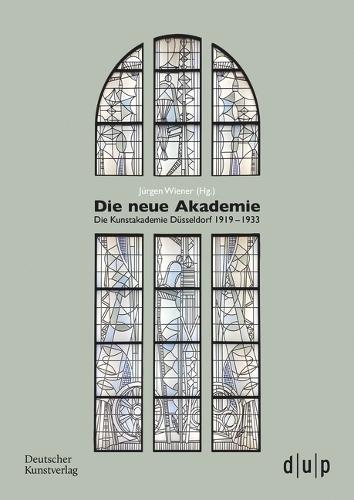
OverviewIn 1919, Düsseldorf Art Academy was expanded to partially integrate the School of Arts and Crafts – a milestone for the institution and its aesthetics that still characterises the academy today. Even before the founding of the Weimar Bauhaus, fine and applied arts were first united here and brought to architecture. The academy, associated with the “Düsseldorf School of Painting”, caught up with the latest trends in contemporary art. Modern artists such as Jan Thorn Prikker, Heinrich Campendonk, Paul Klee and Ewald Matare, appointed before and during Walter Kaesbach’s time as director, played their part in these developments. This publication focuses on how the caesura did not come about entirely smoothly: the coexistence of tradition and avant-garde led to contradictory yet productive potentials for Düsseldorf Art Academy. New research on the reform of Düsseldorf Art Academy in 1919 A multifaceted view of both the possibilities and limitations of art academies in the Weimar Republic Relativising the one-sided narrative of progress customarily associated with the Bauhaus. Full Product DetailsAuthor: Jürgen WienerPublisher: De Gruyter Imprint: Deutscher Kunstverlag ISBN: 9783422803220ISBN 10: 342280322 Pages: 231 Publication Date: 14 October 2025 Audience: Professional and scholarly , Professional & Vocational Format: Hardback Publisher's Status: Active Availability: Not yet available This item is yet to be released. You can pre-order this item and we will dispatch it to you upon its release. Language: German Table of ContentsReviewsAuthor InformationJürgen Wiener, Heinrich-Heine-Universität Düsseldorf Tab Content 6Author Website:Countries AvailableAll regions |
||||