|
|
|||
|
||||
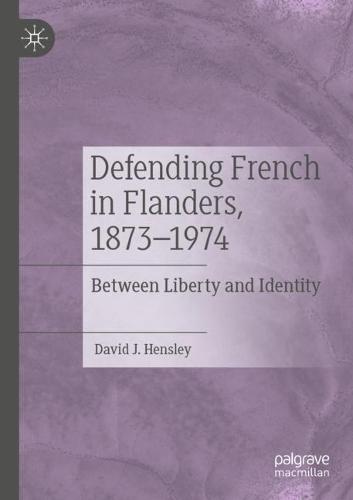
OverviewThis book examines the efforts of the French-speaking minority in Flanders, Belgium, to maintain a legal and social presence of the French language in Flemish public life. Chronologically, the study is bookended by two developments, almost exactly a century apart. In 1873, the first laws were passed which required the use of Dutch in some aspects of public administration in Flanders, challenging the de facto use of French among the Flemish ruling class. One hundred and one years later, the last French daily newspaper in Flanders collapsed, marking the end of a once-vibrant French-language public sphere in Flanders. The author contends that the methods and arguments by which French speakers defended the role of French in Flemish public life changed along with the social and political situation of this minority. As the Flemish movement grew over the course of the twentieth century, French speakers’ appeals to the “free choice” of language lost traction, and they put forward claims that they represented an ethnolinguistic minority who deserved protection for their mother tongue. Providing new insights for scholars of European history, and in conversation with the literature on liberalism, national identity, and Francophonie, this book demonstrates how the debate over the role of French in Flanders was at the center of Belgium’s ethnolinguistic conflict – the repercussions of which continue to be felt to this day. Full Product DetailsAuthor: David J. HensleyPublisher: Springer International Publishing AG Imprint: Palgrave Macmillan ISBN: 9783031109195ISBN 10: 3031109198 Pages: 360 Publication Date: 30 December 2024 Audience: Professional and scholarly , Professional & Vocational Format: Paperback Publisher's Status: Active Availability: Manufactured on demand We will order this item for you from a manufactured on demand supplier. Table of ContentsReviewsAuthor InformationDavid J. Hensley is Associate Professor of History at Georgia Highlands College, USA. He previously taught at Queen’s University Belfast and the University of Central Oklahoma. Tab Content 6Author Website:Countries AvailableAll regions |
||||