Overview
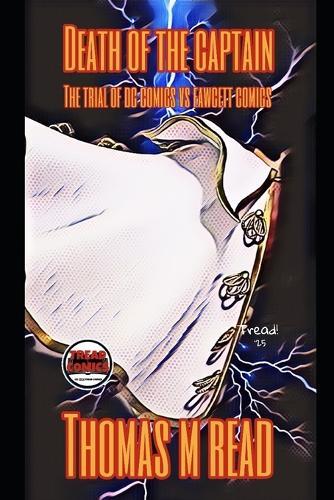
The Death of the Captain: In the bright beginnings of the comic-book age, when heroes burst from newsprint into the dreams of young readers, Captain Marvel was a phenomenon. A lonely boy shouted Shazam! and became the mightiest mortal alive, starring in warm, funny, wildly imaginative stories that made him the best-selling superhero in America-surpassing even Superman. Inside National Comics Publications, unease simmered. Their own creation, Superman, was supposed to be the template, the champion of the medium. But here was a rival in red, smiling as he overtook their flagship. National began to see Captain Marvel not as a whimsical creation, but as a dangerous imitation. So in 1941, they sued. To Fawcett Publications, the accusation was absurd. Captain Marvel was magic, mythology, and childhood wish-fulfillment, not an alien reporter in glasses. But once the case entered the courts, the characters' fates lay in the hands of lawyers, not storytellers. The war years stalled everything. Judges left, paperwork vanished, and the lawsuit dragged on longer than anyone expected. Meanwhile, Captain Marvel thrived, and the Marvel Family expanded with Mary, Freddy, and a cast of colorful allies. For a while, the lawsuit felt like distant thunder. But by the late 1940s, superhero comics were fading. Crime, romance, and horror took over the stands. Captain Marvel's sales slipped, and the lawsuit-which had become a financial drain-loomed larger than ever. In 1951, the court finally delivered its ruling. It didn't say Captain Marvel was Superman, but it declared that enough elements of certain stories crossed the line into infringement. The blow wasn't total, but it was decisive. Fawcett looked at the shrinking superhero market, the cost of continuing, and the years already lost to the courtroom. In 1953, they surrendered. They agreed to pay National a settlement and, most devastatingly, to stop publishing Captain Marvel entirely. There was no farewell issue, no final transformation, no closing moment for readers. Captain Marvel simply vanished, undone not by a villain but by legal pressure and changing tastes. One month he stood triumphant on the cover; the next he was gone-his magic word unspoken. For almost twenty years, the Marvel Family lived only in fading memories and old, yellowing issues. The world moved on. Then came the twist no one expected. In the 1970s, DC Comics-the very company that once sought to erase him-licensed Captain Marvel. They saw value in his optimism and timeless charm. Soon Billy Batson returned, this time in a comic titled Shazam! because Marvel Comics now owned the name ""Captain Marvel."" Eventually, DC purchased the character outright. And so the company that once fought to end him became the guardian of his legacy. The trial of DC vs. Fawcett is remembered as the quiet, strange death of a hero-one caused not by monsters or magic, but by business and law. Yet Captain Marvel's return proved something essential: legends don't disappear easily. They wait, and when the moment is right, a boy speaks a word and the lightning returns.
Full Product Details
Author: Tread Comics ,
Thomas Read
Publisher: Independently Published
Imprint: Independently Published
Dimensions:
Width: 15.20cm
, Height: 1.90cm
, Length: 22.90cm
Weight: 0.476kg
ISBN: 9798276165561
Pages: 358
Publication Date: 14 January 2026
Audience:
General/trade
,
General
Format: Paperback
Publisher's Status: Active
Availability: Available To Order

We have confirmation that this item is in stock with the supplier. It will be ordered in for you and dispatched immediately.