Overview
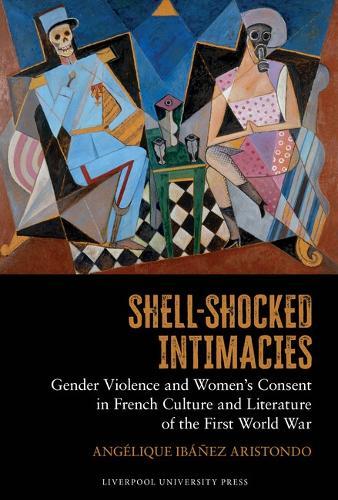
Ebook available to libraries exclusively as part of the JSTOR Path to Open intiative. The First World War generated a climate of exacerbated nationalism, deep-running anxieties over gender, and heightened masculinisation of suffering. In France, this volatile combination provided meaning to multiple ways of obscuring and trivialising diverse forms of gender-based violence and aggression towards women. The book retraces this cultural pattern by uncovering shifts and continuities in discourses on sexual consent and gender violence in French culture and literature of the First World War. This research provides historical insight and critical depth to contemporary debates on sexual consent by arguing that the notion of cultural exception in gender relations is better accounted for through the country’s history of violence and militarization. Moreover, the research frames amour à la francaise, or the so-called French exception in gender relations, as a response to the brutalization in the war and postwar period. It highlights the fact that indifference to gender violence was a shared denominator of the ‘French exception’ both now and then. It draws on a broad range of sources – including visual materials, literary works, judicial records, media sources, and testimonials – and tools from literary criticism, cultural history and critical discourse analysis to uncover a silenced past dominated for too long by a male gaze, revising in the process the historiographic outlook on gender relations and politics in the area covered.
Full Product Details
Author: Angélique Ibáñez Aristondo
Publisher: Liverpool University Press
Imprint: Liverpool University Press
Volume: 15
ISBN: 9781836243168
ISBN 10: 1836243162
Pages: 320
Publication Date: 28 December 2025
Audience:
College/higher education
,
Postgraduate, Research & Scholarly
Format: Hardback
Publisher's Status: Forthcoming
Availability: Not yet available

This item is yet to be released. You can pre-order this item and we will dispatch it to you upon its release.
Reviews
""I found the book compelling. Well researched and written, it incorporates a variety of primary and secondary sources, engaging therefore in important discussions about representations of World War I in French history and national memory.” – Professor Venita Datta, Wellesley College “By re-reading the gender dynamics of this period in the light of what we now understand as femicide (and its related implications), the author renders an important service.” – Professor Melanie Hawthorne, Texas A&M University
Author Information
Angélique Ibáñez Aristondo is a scholar of Francophone and Gender Studies, specialized in the study of gender violence. She holds a PhD from the City University of New York and is an Assistant Professor of French and Francophone Studies at University College Dublin.