Overview
Oppositional Defiant Disorder (ODD) is a behavioral disorder commonly diagnosed in children and adolescents, characterized by a pattern of defiant, disobedient, and hostile behavior toward authority figures. Children with ODD may frequently argue with adults, refuse to comply with rules or requests, deliberately annoy others, and be easily annoyed themselves. Key symptoms of ODD include: Frequent temper tantrums or irritability. Arguing with adults or refusing to follow rules or instructions. Deliberately annoying others or being easily annoyed. Blaming others for their own mistakes or misbehavior. Being spiteful or vindictive. Oppositional Defiant Disorder (ODD) can have significant and far-reaching effects on families and relationships, impacting not only the child with the disorder but also parents, siblings, and the broader family dynamic. The challenging behaviors associated with ODD can create ongoing stress, frustration, and emotional strain, which, if not managed effectively, can lead to long-term difficulties in family functioning and relationships. 1. Parental Stress and Emotional Strain: - Increased Tension and Frustration: Parents of children with ODD often experience high levels of stress due to their child's defiance, irritability, and argumentative behavior. The constant need to manage disruptive behaviors, enforce rules, and deal with emotional outbursts can leave parents feeling exhausted and overwhelmed. - Feelings of Guilt and Self-Blame: Parents may feel guilty or blame themselves for their child's behavior, especially if they perceive it as a result of their own parenting or family environment. This can lead to feelings of inadequacy or doubt about their ability to manage the situation. - Conflict Between Parents: The ongoing challenges of dealing with a child with ODD can create tension between parents. Disagreements over discipline strategies, inconsistency in rules, and differing approaches to handling the child's behavior can lead to marital conflict. In some cases, this can strain the marriage or partnership, particularly if one parent feels unsupported or the other has a different approach to managing the child's behavior. - Exhaustion and Burnout: Constantly managing difficult behaviors can lead to burnout, especially if parents feel they are not getting enough support. This may result in physical and emotional exhaustion, which can impact overall family functioning. 2. Siblings' Experiences: - Sibling Rivalry: Siblings of a child with ODD may feel neglected, angry, or jealous if their sibling is receiving most of the attention or if the child with ODD takes up a disproportionate amount of family resources. This can create tension between siblings and may contribute to feelings of resentment. - Increased Responsibility: Siblings may be tasked with taking on more responsibilities at home, such as helping with chores or even acting as a mediator in conflict situations, which can be burdensome. Older siblings might also take on a caregiver role, which can affect their own well-being. - Emotional Impact: Siblings of children with ODD may experience feelings of confusion, frustration, or fear as they try to navigate family life. They may struggle with understanding why their sibling behaves the way they do, especially if the disorder has not been diagnosed or explained to them. - Social Isolation: Children with ODD may act out in public or at school, causing embarrassment for siblings. This can lead to social isolation or stigmatization, as peers may not understand the child's behavior and may distance themselves. Early intervention is key to helping children with ODD develop better coping strategies and improve their relationships with others.
Full Product Details
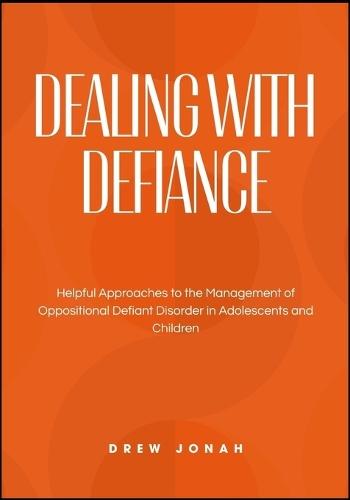
Author: Drew Jonah
Publisher: Independently Published
Imprint: Independently Published
Dimensions:
Width: 17.80cm
, Height: 0.60cm
, Length: 25.40cm
Weight: 0.222kg
ISBN: 9798288630095
Pages: 120
Publication Date: 18 June 2025
Audience:
General/trade
,
General
Format: Paperback
Publisher's Status: Active
Availability: Available To Order

We have confirmation that this item is in stock with the supplier. It will be ordered in for you and dispatched immediately.