Overview
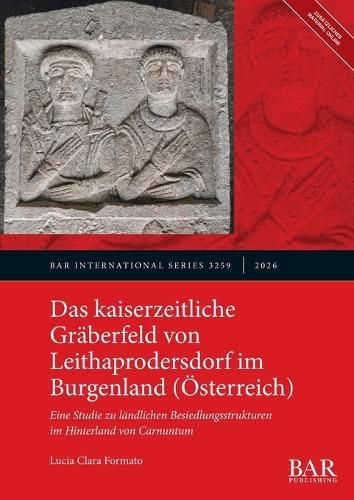
Dies ist ein Open-Access-Titel, der unter den Bedingungen einer CC BY-NC 4.0-Lizenz verfügbar ist. Er kann kostenlos gelesen, heruntergeladen und auf der BAR Digital-Plattform geteilt werden. Diese Monographie präsentiert die Auswertung der Grabungen auf den Kreuzäckern in Leithaprodersdorf (Österreich). Die römerzeitliche Nekropole mit rund 300 Gräbern, ergänzt durch Grabstelen mit epigraphischen und ikonographischen Informationen, erlaubt neue Einblicke in die Bevölkerung der Leitharegion im nordwestlichen Teil der antiken Provinz Pannonien. Die Studie belegt eine kontinuierliche Nutzung vom Ende des 1. bis ins frühe 5. Jahrhundert n. Chr. Die frühe Phase zeigt einen deutlich autochthonen Charakter mit Hügelgräbern, sogenannten norisch-pannonischen Flügelfibeln und regionaler Keramik. Ab dem 2. Jahrhundert spiegeln Terra Sigillata, reichsweit verbreitete Fibeltypen und steinerne Grabmonumente zunehmende Anpassungsprozesse wider. Die Verknüpfung mit den nahen Siedlungsresten auf den Bachreuthäckern ordnet Leithaprodersdorf in den Kontext der nordwestpannonischen Siedlungslandschaft ein - ein Meilenstein für die Erforschung der ländlichen Besiedlung im Hinterland von Carnuntum. This is an open access title available under the terms of a CC BY-NC 4.0 License. It is free to read, download and share on the BAR Digital platform. This monograph presents a comprehensive analysis of excavations at the site on the Kreuzäcker in Leithaprodersdorf (Austria). This Roman period necropolis includes approximately 300 graves, complemented by funerary stelae with epigraphic and iconographic information, and provides new insights into the population of the Leitha region in the north-western part of the ancient province of Pannonia. This study documents continuous use from the late 1st to the early 5th century AD. The early phase displays a distinctly autochthonous character with burial mounds, so called Norican-Pannonian wing fibulae, and regional ceramics. From the 2nd century onward, Terra Sigillata, empire-wide fibula types, and stone funerary monuments reflect increasing processes of adaptation. The connection with nearby settlement remains at the site of Bachreuthäcker places Leithaprodersdorf within the context of the northwestern Pannonian settlement landscape - a milestone for research on rural settlement in the hinterland of Carnuntum.
Full Product Details
Author: Lucia Clara Formato
Publisher: British Archaeological Reports (Oxford) Ltd
Imprint: British Archaeological Reports (Oxford) Ltd
Volume: 3259
Dimensions:
Width: 21.00cm
, Height: 3.40cm
, Length: 29.70cm
Weight: 1.556kg
ISBN: 9781407363097
ISBN 10: 1407363093
Pages: 486
Publication Date: 27 February 2026
Audience:
General/trade
,
General
Format: Paperback
Publisher's Status: Active
Availability: Available To Order

We have confirmation that this item is in stock with the supplier. It will be ordered in for you and dispatched immediately.
Language: German
Reviews
'This work brings new and high-quality data to the research. Leithaprodersdorf is a rare site where both the settlement and the associated cemetery were recently excavated and can be published. The epigraphical and onomastical data complement the analysis of the grave goods, which offers a solid chronological basis and provides insight into the choice of grave furnishings, reflecting the funerary traditions of the community, its modes of social representation, and its views on the afterlife.' Dr Andras Marton, CRBC, Brest 'The comprehensive and carefully executed approach makes this monograph a valuable contribution not only to provincial Roman archaeology but also to a broader range of historical disciplines concerned with identity formation, cultural interaction, and socio-spatial dynamics in the frontier regions of the Roman Empire. I found the book highly compelling and intellectually stimulating.' Dr Dominik Hagmann, University of Continuing Education Krems 'The results of the research on the features and finds from the Leithaprodersdorf necropolis paint a very differentiated picture of a Roman and Late Antique society characterised by various cultural influences. The work will influence future archaeological research on Roman finds throughout Central Europe.' Christina Peek, Niedersächsisches Institut für historische Küstenforschung