Overview
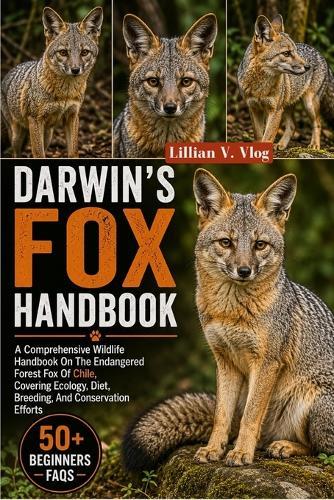
INTRODUCTION TO THE DARWIN'S FOX Overview of Darwin's Fox Darwin's fox is one of the rarest and most mysterious wild canids in the world. Known scientifically as, this small forest-dwelling fox lives in a limited range in southern Chile. Despite being discovered nearly two centuries ago, Darwin's fox remains relatively unknown compared to other fox species. Its elusive behavior, restricted habitat, and endangered status make it both fascinating and critically important to study and protect. Darwin's fox is a small, dark-colored fox species that belongs to the South American fox group. Unlike the more familiar red fox found across many continents, Darwin's fox is much rarer and exists only in specific forested areas. The species is primarily found in the temperate rainforests of southern Chile, particularly on and in parts of mainland Chile such as . This fox is especially unique because it prefers dense, humid forests rather than open grasslands or deserts like many other fox species. It thrives in environments filled with thick vegetation, fallen logs, and rich biodiversity. These forests provide shelter, food, and protection from predators. The Darwin's fox plays an important ecological role by helping control small animal populations and dispersing seeds through its diet. Physically, Darwin's fox is relatively small compared to other fox species. It typically weighs between 2 to 4 kilograms and has a compact body with short legs and a bushy tail. Its fur is dark gray to black, often with reddish tones around the face and legs. This dark coloration helps it blend into the forest floor, providing camouflage from predators and prey alike. Darwin's fox is primarily nocturnal, meaning it is most active at night. During the day, it rests in dens or hidden areas within the forest. This nocturnal lifestyle helps it avoid human activity and larger predators. Because of this behavior, spotting a Darwin's fox in the wild is extremely rare, which adds to its mysterious reputation. Another fascinating aspect of Darwin's fox is its omnivorous diet. It eats a wide variety of foods, including small mammals, birds, insects, fruits, and berries. This flexible diet helps it survive in changing environments. During certain seasons, fruit may make up a large part of its diet, while at other times it relies more heavily on hunting small animals. Despite its adaptability, Darwin's fox faces many challenges. Habitat destruction, climate change, road accidents, and diseases introduced by domestic animals all threaten its survival. Because its population is small and fragmented, even minor threats can have significant impacts on the species. Today, conservationists and scientists work to protect Darwin's fox through research, habitat protection, and education. Understanding this species is essential for ensuring its long-term survival. Scientific Classification and Taxonomy Darwin's fox belongs to the family Canidae, which includes wolves, foxes, coyotes, and domestic dogs. Within this family, Darwin's fox is classified in the genus Lycalopex, a group of South American foxes sometimes referred to as ""false foxes"" because they are more closely related to wolves than to true foxes of the genus Vulpes. The scientific classification of Darwin's fox is as follows: Kingdom: Animalia Phylum: Chordata Class: Mammalia Order: Carnivora Family: Canidae Genus: Lycalopex Species: Lycalopex fulvipes The genus Lycalopex includes several species found in South America, such as the South American gray fox, culpeo fox, and Pampas fox. However, Darwin's fox is considered one of the most distinct species within this group due to its unique genetics and limited geographic range.
Full Product Details
Author: Lillian V Vlog
Publisher: Independently Published
Imprint: Independently Published
Dimensions:
Width: 15.20cm
, Height: 0.90cm
, Length: 22.90cm
Weight: 0.222kg
ISBN: 9798197654519
Pages: 160
Publication Date: 19 May 2026
Audience:
General/trade
,
General
Format: Paperback
Publisher's Status: Active
Availability: Available To Order

We have confirmation that this item is in stock with the supplier. It will be ordered in for you and dispatched immediately.