|
|
|||
|
||||
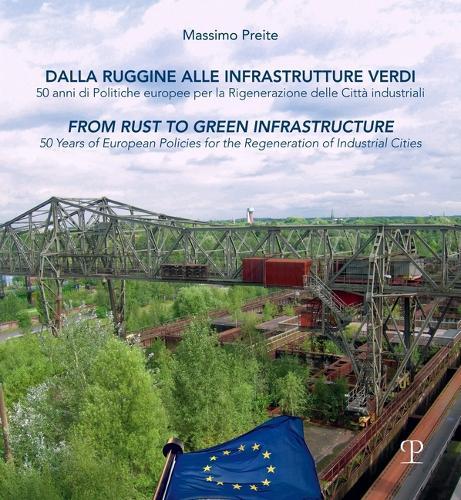
OverviewOne of the most challenging issues facing the European Union was the deindustrialization of the 1970s and 1980s. This affected many European cities, resulting in the closure or relocation of entire industrial sectors, dramatic unemployment, urban decay, and social disintegration. In response to this crisis, Member States launched ambitious urban regeneration projects. The European Regional Development Fund (ERDF), which was established in 1975 and is celebrating its 50th anniversary this year, has been the primary source of funding for initiatives aimed at revitalising cities in industrial decline. Structural funds have been allocated on a case-by-case basis according to the objectives set by the ERDF's various multiannual programming cycles. In light of these objectives, some of the most significant urban regeneration projects in Europe have been selected, in which the recovery of industrial heritage has played a prominent role. The proposed examples, spread out over time, thus offer a narrative of the different seasons of industrial adaptive reuse, distinguishing between them according to the strategies, stakeholders and methods of conserving and transforming disused production sites.Contributions by Massimo Preite, Gabriella Maciocco, Carlo Trigilia, Miles Oglethorpe, Piotr Gerber. Full Product DetailsAuthor: Massimo PreitePublisher: Edizioni Polistampa Imprint: Edizioni Polistampa Edition: Bilingual edition ISBN: 9788859624875ISBN 10: 8859624878 Pages: 144 Publication Date: 01 October 2025 Audience: General/trade , General Format: Paperback Publisher's Status: Active Availability: In Print This item will be ordered in for you from one of our suppliers. Upon receipt, we will promptly dispatch it out to you. For in store availability, please contact us. Language: English, Italian Table of ContentsReviewsAuthor InformationTab Content 6Author Website:Countries AvailableAll regions |
||||