|
|
|||
|
||||
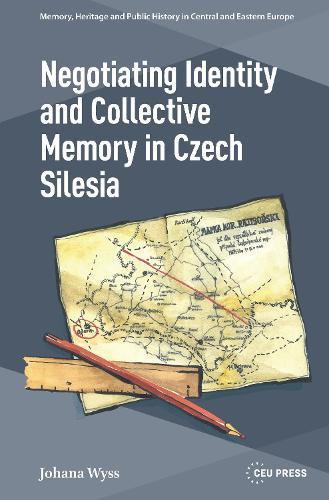
OverviewHow do people negotiate identity, memory, and history in Czech Silesia? How do they make sense of a turbulent past marked by mass displacement, shifting borders, and successive political regimes? And what do dominant narratives of Czech nationalism mean for communities living with the absence of others? This rich ethnography of the city of Opava and the neighbouring Hlučín region follows a diverse cast of local actors involved in shaping and remaking regional collective memory. From the bottom up, the book examines how memory is selectively preserved, silenced, or commodified in response to different mnemonic challenges, including contested Wehrmacht legacies, linguistic politics, and the branding of Silesian cuisine. Foregrounding both vernacular and institutional actors, the ethnography shows how identity in this Central European borderland is continually reconstructed and negotiated. Going beyond post-socialism as an explanatory frame, the book makes a strong case for a more ambitious and holistic approach to studying collective memory and the ways it shapes belonging in post-imperial, post-socialist Europe. Full Product DetailsAuthor: Johana WyssPublisher: Central European University Press Imprint: Central European University Press Weight: 0.560kg ISBN: 9789633867907ISBN 10: 9633867908 Pages: 216 Publication Date: 26 January 2026 Audience: College/higher education , Postgraduate, Research & Scholarly Format: Hardback Publisher's Status: Active Availability: Manufactured on demand We will order this item for you from a manufactured on demand supplier. Table of ContentsIntroduction Ch1: Silesia’s Turbulent Past and Present Ch2: Silesian Identity: Hlu.íns and Opavians Ch3: Remembering the Vanished Others Ch4: Grandfathers in the Wehrmacht Ch5: German Past, Czech Present Conclusion / Epilogue BibliographyReviewsAuthor InformationJohana Wyss is a social anthropologist and tenured researcher at the Czech Academy of Sciences. She examines memory politics, identity, political polarisation, and ethno-national formation in Central and Eastern Europe. Her work explores how post-imperial legacies and contested borderland histories shape collective memory and contemporary identity narratives. Tab Content 6Author Website:Countries AvailableAll regions |
||||