Overview
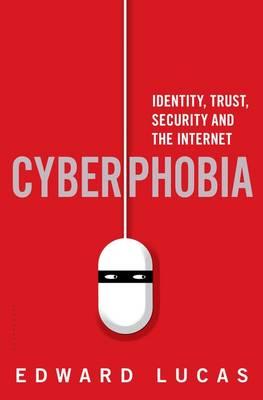
"Cybercrime is increasingly in the news. Stories about weaknesses in cybersecurity like the ""Heartbleed"" leak, or malicious software on the cash registers at your local Target have become alarmingly common. Even more alarming is the sheer number of victims associated with these crimes--the identities and personal information of millions is stolen outright as criminals drain bank accounts and max out credit cards. The availability of stolen credit card information is now so common that it can be purchased on the black market for as little as four dollars with potentially thousands at stake for the victims. Possibly even more catastrophic are hackers at a national level that have begun stealing national security, or economic and trade secrets. The world economy and geopolitics hang in the balance. In Cyberphobia, Edward Lucas unpacks this shadowy, but metastasizing problem confronting our security--both for individuals and nations. The uncomfortable truth is that we do not take cybersecurity seriously enough. Strong regulations on automotive safety or guidelines for the airline industry are commonplace, but when it comes to the internet, it might as well be the Wild West. Standards of securing our computers and other internet-connected technology are diverse, but just like the rules of the road meant to protect both individual drivers and everyone else driving alongside them, weak cybersecurity on the computers and internet systems near us put everyone at risk. Lucas sounds a compelling and necessary alarm on behalf of cybersecurity and prescribes immediate and bold solutions to this grave threat."
Full Product Details
Author: Edward Lucas
Publisher: Bloomsbury USA
Imprint: Bloomsbury USA
Dimensions:
Width: 16.30cm
, Height: 2.80cm
, Length: 23.90cm
Weight: 0.544kg
ISBN: 9781632862259
ISBN 10: 1632862255
Pages: 336
Publication Date: 17 November 2015
Audience:
General/trade
,
General
Format: Hardback
Publisher's Status: Active
Availability: Available To Order

We have confirmation that this item is in stock with the supplier. It will be ordered in for you and dispatched immediately.
Reviews
A remarkably clear, comprehensive and lucid exposition of the growing range of threats that challenge trust in the internet . . . an indispensable roadmap to regaining control of our online security. --Michael Chertoff, former US Secretary of Homeland Security An engaged overview of technology's strange new virtual hazards. -- Kirkus A realistic view of what can (and cannot) be done on both the individual and at a policy level to protect privacy and deal honestly on the Internet. Useful for nonexperts wanting a larger picture of cybersecurity. -- Library Journal Lucas's account is a masterful achievement, blending first-class reporting with the flare of John le Carre and Daniel Silva. --C.C. Lovett, CHOICE on DECEPTION One depressing conclusion from reading Deception is that Russians are much better than their Western counterparts at the spy business. Another is that, even now, the West doesn't much seem to care that its secrets are being pilfered by a regime that wishes us ill . . . [a] sobering book. --Bret Stephens, The Wall Street Journal, on DECEPTION
Lucas's account is a masterful achievement, blending first-class reporting with the flare of John le Carre and Daniel Silva. --C.C. Lovett CHOICE on DECEPTION One depressing conclusion from reading Deception is that Russians are much better than their Western counterparts at the spy business. Another is that, even now, the West doesn't much seem to care that its secrets are being pilfered by a regime that wishes us ill . . . [a] sobering book.--Bret Stephens The Wall Street Journal, on DECEPTION A remarkably clear, comprehensive and lucid exposition of the growing range of threats that challenge trust in the internet . . . an indispensable roadmap to regaining control of our online security.--Michael Chertoff, former US Secretary of Homeland Security A remarkably clear, comprehensive and lucid exposition of the growing range of threats that challenge trust in the internet . . . an indispensable roadmap to regaining control of our online security. --Michael Chertoff, former US Secretary of Homeland Security As we move away from an earlier era's digital naivete and embrace a healthy paranoia about privacy and risk online, Mr. Lucas's book reminds us of the need for tougher standards--not just for individuals but for the companies that have made the Internet our virtual home. --Wall Street Journal An engaged overview of technology's strange new virtual hazards. --Kirkus A realistic view of what can (and cannot) be done on both the individual and at a policy level to protect privacy and deal honestly on the Internet. Useful for nonexperts wanting a larger picture of cyber-security. --Library Journal [E]asily accessible for non-techies . . . Even informed readers will benefit from Lucas's synthesis of chilling incidents . . . a wake-up call for citizens and their leaders alike. --Publishers Weekly An enlightening, highly accessible look at security threats on the Internet, with sound solutions for protection. --Booklist The central message of this alarming book is that 'our dependence on computers is growing faster than our ability to forestall attackers' . . . [Cyberphobia] makes a convincing case that hacking will becoming increasingly common. --Sunday Times Not only does Cyberphobia lay bare the dangers of the internet, it also explores the most successful defensive cyber strategies, options for tracking down transgressors and argues that we are moving into a post-digital age where once again face-to-face communication will be the only interaction that really matters. --Daily Telegraph Though convenient, [computers] can be dangerous. Lucas (a British journalist who writes for The Economist) joins others in delivering this warning, but he is more successful than most because he probes the subject without resorting to computer jargon and so conveys the nature of the threat to those who use computers without regard to the fact that they can jeopardize wealth, reputation, and peace of mind . . . Recommended. --Choice A remarkably clear, comprehensive and lucid exposition of the growing range of threats that challenge trust in the internet . . . an indispensable roadmap to regaining control of our online security. Michael Chertoff, former US Secretary of Homeland Security As we move away from an earlier era s digital naivete and embrace a healthy paranoia about privacy and risk online, Mr. Lucas s book reminds us of the need for tougher standards--not just for individuals but for the companies that have made the Internet our virtual home. Wall Street Journal An engaged overview of technology's strange new virtual hazards. Kirkus A realistic view of what can (and cannot) be done on both the individual and at a policy level to protect privacy and deal honestly on the Internet. Useful for nonexperts wanting a larger picture of cybersecurity. Library Journal [E]asily accessible for non-techies . . . Even informed readers will benefit from Lucas s synthesis of chilling incidents . . . a wake-up call for citizens and their leaders alike. Publishers Weekly An enlightening, highly accessible look at security threats on the Internet, with sound solutions for protection. Booklist The central message of this alarming book is that 'our dependence on computers is growing faster than our ability to forestall attackers' . . . [Cyberphobia] makes a convincing case that hacking will becoming increasingly common. Sunday Times Not only does Cyberphobia lay bare the dangers of the internet, it also explores the most successful defensive cyber strategies, options for tracking down transgressors and argues that we are moving into a post-digital age where once again face-to-face communication will be the only interaction that really matters. Daily Telegraph Though convenient, [computers] can be dangerous. Lucas (a British journalist who writes for The Economist) joins others in delivering this warning, but he is more successful than most because he probes the subject without resorting to computer jargon and so conveys the nature of the threat to those who use computers without regard to the fact that they can jeopardize wealth, reputation, and peace of mind . . . Recommended. Choice A remarkably clear, comprehensive and lucid exposition of the growing range of threats that challenge trust in the internet . . . an indispensable roadmap to regaining control of our online security. Michael Chertoff, former US Secretary of Homeland Security As we move away from an earlier era s digital naivete and embrace a healthy paranoia about privacy and risk online, Mr. Lucas s book reminds us of the need for tougher standards--not just for individuals but for the companies that have made the Internet our virtual home. Wall Street Journal An engaged overview of technology's strange new virtual hazards. Kirkus A realistic view of what can (and cannot) be done on both the individual and at a policy level to protect privacy and deal honestly on the Internet. Useful for nonexperts wanting a larger picture of cybersecurity. Library Journal [E]asily accessible for non-techies . . . Even informed readers will benefit from Lucas s synthesis of chilling incidents . . . a wake-up call for citizens and their leaders alike. Publishers Weekly An enlightening, highly accessible look at security threats on the Internet, with sound solutions for protection. Booklist The central message of this alarming book is that 'our dependence on computers is growing faster than our ability to forestall attackers' . . . [ Cyberphobia ] makes a convincing case that hacking will becoming increasingly common. Sunday Times Not only does Cyberphobia lay bare the dangers of the internet, it also explores the most successful defensive cyber strategies, options for tracking down transgressors and argues that we are moving into a post-digital age where once again face-to-face communication will be the only interaction that really matters. Daily Telegraph Though convenient, [computers] can be dangerous. Lucas (a British journalist who writes for The Economist ) joins others in delivering this warning, but he is more successful than most because he probes the subject without resorting to computer jargon and so conveys the nature of the threat to those who use computers without regard to the fact that they can jeopardize wealth, reputation, and peace of mind . . . Recommended. Choice A remarkably clear, comprehensive and lucid exposition of the growing range of threats that challenge trust in the internet . . . an indispensable roadmap to regaining control of our online security. --Michael Chertoff, former US Secretary of Homeland Security An engaged overview of technology's strange new virtual hazards. -- Kirkus A realistic view of what can (and cannot) be done on both the individual and at a policy level to protect privacy and deal honestly on the Internet. Useful for nonexperts wanting a larger picture of cybersecurity. -- Library Journal Lucas's account is a masterful achievement, blending first-class reporting with the flare of John le Carre and Daniel Silva. --C.C. Lovett, CHOICE on DECEPTION One depressing conclusion from reading Deception is that Russians are much better than their Western counterparts at the spy business. Another is that, even now, the West doesn't much seem to care that its secrets are being pilfered by a regime that wishes us ill . . . [a] sobering book. --Bret Stephens, The Wall Street Journal, on DECEPTION
One depressing conclusion from reading Deception is that Russians are much better than their Western counterparts at the spy business. Another is that, even now, the West doesn't much seem to care that its secrets are being pilfered by a regime that wishes us ill . . . [a] sobering book.--Bret Stephens The Wall Street Journal, on DECEPTION
A remarkably clear, comprehensive and lucid exposition of the growing range of threats that challenge trust in the internet . . . an indispensable roadmap to regaining control of our online security. Michael Chertoff, former US Secretary of Homeland Security An engaged overview of technology's strange new virtual hazards. Kirkus A realistic view of what can (and cannot) be done on both the individual and at a policy level to protect privacy and deal honestly on the Internet. Useful for nonexperts wanting a larger picture of cybersecurity. Library Journal [E]asily accessible for non-techies . . . Even informed readers will benefit from Lucas s synthesis of chilling incidents . . . a wake-up call for citizens and their leaders alike. Publishers Weekly An enlightening, highly accessible look at security threats on the Internet, with sound solutions for protection. Booklist The central message of this alarming book is that 'our dependence on computers is growing faster than our ability to forestall attackers' . . . [ Cyberphobia ] makes a convincing case that hacking will becoming increasingly common. Sunday Times Not only does Cyberphobia lay bare the dangers of the internet, it also explores the most successful defensive cyber strategies, options for tracking down transgressors and argues that we are moving into a post-digital age where once again face-to-face communication will be the only interaction that really matters. Daily Telegraph Lucas's account is a masterful achievement, blending first-class reporting with the flare of John le Carre and Daniel Silva. C.C. Lovett, CHOICE on DECEPTION One depressing conclusion from reading Deception is that Russians are much better than their Western counterparts at the spy business. Another is that, even now, the West doesn't much seem to care that its secrets are being pilfered by a regime that wishes us ill . . . [a] sobering book. Bret Stephens, The Wall Street Journal, on DECEPTION
A remarkably clear, comprehensive and lucid exposition of the growing range of threats that challenge trust in the internet . . . an indispensable roadmap to regaining control of our online security. Michael Chertoff, former US Secretary of Homeland Security An engaged overview of technology's strange new virtual hazards. Kirkus A realistic view of what can (and cannot) be done on both the individual and at a policy level to protect privacy and deal honestly on the Internet. Useful for nonexperts wanting a larger picture of cybersecurity. Library Journal Lucas's account is a masterful achievement, blending first-class reporting with the flare of John le Carre and Daniel Silva. C.C. Lovett, CHOICE on DECEPTION One depressing conclusion from reading Deception is that Russians are much better than their Western counterparts at the spy business. Another is that, even now, the West doesn't much seem to care that its secrets are being pilfered by a regime that wishes us ill . . . [a] sobering book. Bret Stephens, The Wall Street Journal, on DECEPTION
Author Information
Edward Lucas is a senior editor at the Economist. He has been covering Eastern Europe since 1986, with postings in Berlin, Moscow, Prague, Vienna, and the Baltic states. He is married to the columnist Cristina Odone. He is the author of The New Cold War, which has been published in more than fifteen languages, and Deception: The Untold Story of East-West Espionage Today. He lives in England.