Overview
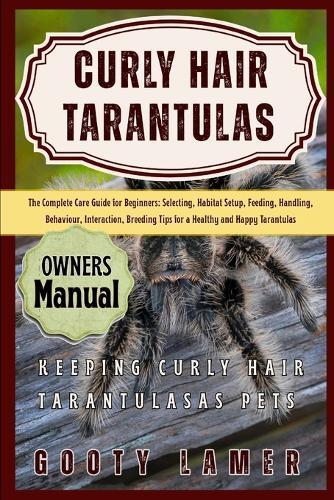
Overview of the Species, Origin, and Why They Are Popular Among Beginners 1.1 What Is a Curly Hair Tarantula? The Curly Hair Tarantula (Tliltocatl albopilosus) is a terrestrial, ground-dwelling spider native to the tropical forests and grasslands of Central America, particularly Nicaragua, Honduras, and Costa Rica. Known for its distinctive coat of long, curled hairs-often golden or tan against a dark, velvety body-this species has become a favorite among tarantula enthusiasts around the world. Curly Hair Tarantulas are part of the family Theraphosidae, a diverse group of spiders that includes over 1,000 known species of tarantulas. What sets T. albopilosus apart is not only its unique appearance but also its docile temperament, hardiness, and ease of care, which make it one of the most recommended tarantulas for first-time keepers. 1.2 Scientific Classification Classification Details Kingdom Animalia Phylum Arthropoda Class Arachnida Order Araneae Family Theraphosidae Genus Tliltocatl Species T. albopilosus Until recently, the species was classified under the genus Brachypelma. However, taxonomical revisions moved it to the genus Tliltocatl based on differences in morphological traits and genetic data. This change was accepted by the World Spider Catalog and reflects a broader effort to clarify the evolutionary relationships between tarantulas. 1.3 Origin and Natural Range The Curly Hair Tarantula is native to Central America, with stable populations found in countries like: Nicaragua - Especially the lowland tropical regions with abundant leaf litter. Honduras - In dense forest floors and scrublands. Costa Rica - Where they are often found in agricultural areas, blending with human activity. Their natural habitat typically consists of moist, humid environments, where they burrow or hide under logs, rocks, and dense vegetation. These conditions simulate what is often replicated in captivity-a warm enclosure with a suitable substrate for digging and hiding. T. albopilosus is nocturnal, emerging at night to hunt for prey. During the day, they prefer to stay in their burrows or hidden retreats. In the wild, they are known to feed on a variety of invertebrates, such as insects, small frogs, and even small vertebrates when available. 1.4 Appearance and Physical Characteristics Curly Hair Tarantulas are medium-to-large in size, with adults reaching a leg span of 5 to 6 inches (12 to 15 cm). Their name comes from the long, curly bristles (setae) that cover their bodies and legs, giving them a fuzzy appearance. Coloration: Juveniles tend to be lighter, with more muted browns and tans. As they mature, adults develop a rich dark brown to black body, often adorned with golden or tan curled hairs. Sexual Dimorphism: Males are typically more slender and have longer legs. Females are stockier and live significantly longer. Molting: Like all tarantulas, Curly Hairs molt to grow. This process allows them to regenerate lost limbs and shed parasites or mites. The overall aesthetic of the Curly Hair Tarantula-soft, plush, and seemingly gentle-contrasts sharply with the public's typical perception of tarantulas as menacing or dangerous creatures. 1.5 Temperament and Behavior One of the most appealing features of the Curly Hair Tarantula is its docile and calm nature. It is often described as ""tolerant of handling"", although it is still recommended that handling be kept to a minimum or only done when necessary.
Full Product Details
Author: Gooty Lamer
Publisher: Independently Published
Imprint: Independently Published
Dimensions:
Width: 15.20cm
, Height: 1.30cm
, Length: 22.90cm
Weight: 0.336kg
ISBN: 9798290373164
Pages: 246
Publication Date: 01 July 2025
Audience:
Children/juvenile
,
Children / Juvenile
Format: Paperback
Publisher's Status: Active
Availability: Available To Order

We have confirmation that this item is in stock with the supplier. It will be ordered in for you and dispatched immediately.