Overview
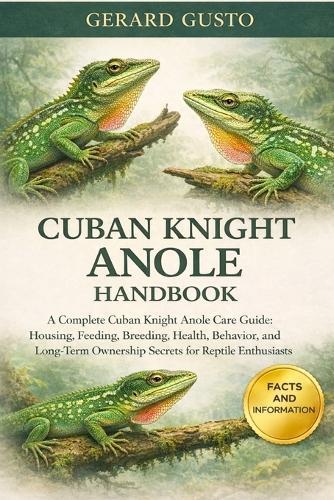
Introduction to the Cuban Knight Anole Origins, Allure, and Importance of This Majestic Lizard The Cuban Knight Anole (Anolis equestris) is one of the most striking and impressive members of the anole family, earning admiration not only for its commanding size but also for its vibrant beauty and charismatic behavior. To many reptile enthusiasts, this lizard is more than just another tropical species-it is a symbol of Cuba's rich biodiversity and a creature that bridges the gap between the wild rainforests of the Caribbean and the terrariums of dedicated keepers across the globe. Origins of the Cuban Knight Anole Native to the lush tropical landscapes of Cuba, the Knight Anole thrives in warm, humid environments where dense vegetation offers both shelter and hunting opportunities. Its presence in Cuba is deeply tied to the ecological balance of the island, where it plays the role of both predator and prey. Over time, it has expanded beyond its homeland, establishing feral populations in parts of southern Florida and the Bahamas, carried inadvertently by trade and travel. These introductions are more than mere accidents-they highlight how adaptable the species is to new habitats. In Florida, for example, the Cuban Knight Anole has become an established resident, often spotted basking high in trees, waiting patiently to ambush insects, small reptiles, and even birds. While some see it as an invasive presence, others marvel at its ability to thrive and become a vibrant part of the local ecosystem. The Allure of a Majestic Lizard Few reptiles can command attention in the way a Cuban Knight Anole does. With its brilliant emerald-green scales, impressive size (reaching lengths of up to 20 inches), and striking yellow or pink throat fan (dewlap), this lizard embodies both beauty and power. Its regal appearance has earned it the nickname ""Knight"" among reptile enthusiasts, a fitting title for a creature that seems to carry itself with nobility and strength. The allure of the Cuban Knight Anole is not just physical. Its behaviors-whether it is a male performing territorial displays, bobbing its head, or flashing its dewlap to ward off rivals-add to the fascination. These displays are more than a show of dominance; they are part of a complex language of communication, woven into the survival strategies of the species. For hobbyists and naturalists alike, this combination of beauty and behavior makes the Knight Anole one of the most captivating reptiles to observe, study, and care for. Importance in Ecology and Culture The Cuban Knight Anole holds a significant place in its natural ecosystem. As a mid-level predator, it controls populations of insects, smaller lizards, and other prey species, helping to maintain ecological balance. At the same time, it provides food for larger predators, including birds of prey and snakes. Its presence reflects the health of its environment, making it an important species for ecological monitoring and conservation. In human culture, the Cuban Knight Anole has gradually taken on symbolic value. For Cubans, it is a reminder of their island's unique biodiversity and the need to preserve it for future generations. In the reptile-keeping world, the Knight Anole has become a prized species, admired for its size, color, and character. However, its care demands commitment and knowledge, as this lizard requires specialized husbandry and respect for its territorial instincts.
Full Product Details
Author: Gerard Gusto
Publisher: Independently Published
Imprint: Independently Published
Dimensions:
Width: 15.20cm
, Height: 0.80cm
, Length: 22.90cm
Weight: 0.213kg
ISBN: 9798279046430
Pages: 154
Publication Date: 21 December 2025
Audience:
General/trade
,
General
Format: Paperback
Publisher's Status: Active
Availability: Available To Order

We have confirmation that this item is in stock with the supplier. It will be ordered in for you and dispatched immediately.