|
|
|||
|
||||
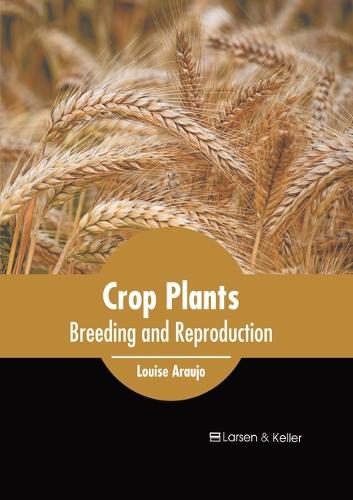
OverviewCrop plants are cultivated species grown primarily for human consumption, livestock feed, or industrial purposes. They include cereals, fruits, vegetables, legumes, and fibers. These plants are selected and bred for high yield, disease resistance, and nutritional value, playing a crucial role in global food security. Breeding involves selecting parent plants with desirable traits to produce offspring that inherit these characteristics. Traditional methods include cross-pollination, where pollen from one plant fertilizes another, while modern techniques utilize genetic engineering and marker-assisted selection to expedite the process. Reproduction in crop plants occurs sexually through seeds or asexually through cloning methods like cuttings and grafting. Sexual reproduction introduces genetic diversity, crucial for adaptability and disease resistance. Conversely, asexual reproduction ensures uniformity and preserves specific traits, beneficial for crops like potatoes and bananas. The topics covered in this extensive book deal with the core subjects of breeding and reproduction of crop plants. The objective of this book is to give a general view of the different breeding practices, and its applications in horticulture. For all those who are interested in horticulture and plant breeding, this book can prove to be an essential guide. Full Product DetailsAuthor: Louise AraujoPublisher: Larsen and Keller Education Imprint: Larsen and Keller Education ISBN: 9798888365045Pages: 230 Publication Date: 25 August 2025 Audience: General/trade , General Format: Hardback Publisher's Status: Active Availability: In Print This item will be ordered in for you from one of our suppliers. Upon receipt, we will promptly dispatch it out to you. For in store availability, please contact us. Table of ContentsReviewsAuthor InformationTab Content 6Author Website:Countries AvailableAll regions |
||||