Overview
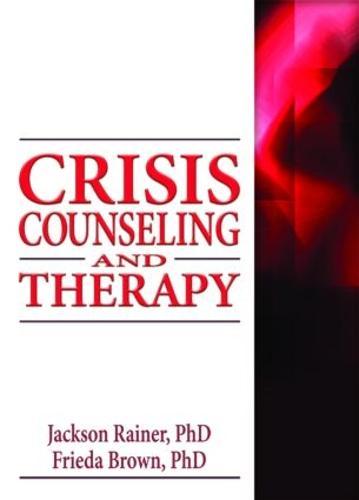
Comprehensive instruction in this important method From Pearl Harbor to the events of September 11, 2001, to the ravages of Hurricane Katrina, tragedy can leave indelible scars. Its many forms are now visibly present in our local, national, and international communities. Intervention, as a clinical technique to combat the debilitating effects of stress that accompany crisis, is quickly becoming a social movement. Crisis Counseling and Therapy provides comprehensive instruction in this important and rapidly burgeoning field with a systemic three-phase method that is simple and practical. This innovative model can easily be incorporated into the clinician’s practice to provide effective, strategic intervention. Crisis Counseling and Therapy recognizes that no single theory or strategy will prove useful in all situations and so offers students and professionals an adaptable approach to dealing with any crisis they may confront. By integrating four proven theoriesnarrative, cognitive-behavioral, family systems, and experiential/existentialand using the degree of disequilibrium experienced in the system to determine therapy sessions, this unique text presents a new approach to crisis work. In-depth, contemporary case studies and an easily-learned and -implemented model of application allow for multidisciplinary approaches to treatment and more positive, constructive outcomes. Topics covered in Crisis Counseling and Therapy include: definitions of crisis critical moments of development characteristics of the crisis counselor contemporary standards and models of practice models for intervention assessment models models of treatment justification for a new model of treatmentrestoration of functioning integrating the four unique approaches profile of an individual in crisis the systemic crisis intervention model the model’s three phases: Remember, Reorganize, Restore integrating the stress of crisis and many more! A vital text, reference, and resource manual, Crisis Counseling and Therapy is ideal for students and established professionals as well as clinicians and specialists working in the fields of psychiatry, psychology, social work, nursing, organ donor procurement, first responder personnel, ministry, emergency medicine, and managed care who are seeking continuing education.
Full Product Details
Author: Jackson Rainer ,
Frieda Brown
Publisher: Taylor & Francis Inc
Imprint: Routledge
Dimensions:
Width: 15.60cm
, Height: 2.40cm
, Length: 21.60cm
Weight: 0.670kg
ISBN: 9780789034564
ISBN 10: 0789034565
Pages: 276
Publication Date: 11 September 2007
Audience:
Professional and scholarly
,
Professional & Vocational
Format: Hardback
Publisher's Status: Active
Availability: In Print

This item will be ordered in for you from one of our suppliers. Upon receipt, we will promptly dispatch it out to you. For in store availability, please contact us.
Author Information
Jackson Rainer, Frieda Brown