Overview
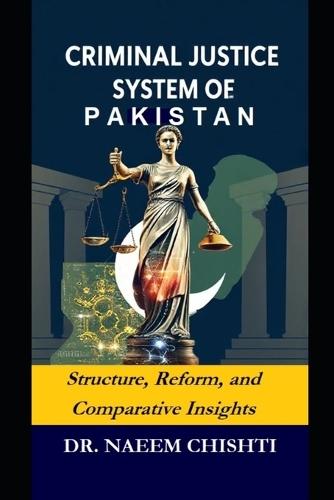
Criminal Justice System of Pakistan: Structure, Reform, and Comparative Insights is a comprehensive and forward-looking exploration of one of the most critical pillars of governance in Pakistan. Structured in three parts, it combines history, institutional analysis, and comparative perspectives to deliver a full-spectrum understanding of the challenges and possibilities that define justice delivery in the country. Part I: Foundations of Criminal Justice in Pakistan sets the stage by unpacking the constitutional, legal, and religious foundations of the justice system. It traces the colonial legacy and post-independence trajectory, examining how the police, prosecution, courts, and prisons function in practice. It explains key procedural laws such as the CrPC, PPC, Qanun-e-Shahadat, and special statutes, while also assessing the role of judicial review in shaping constitutional principles. This section offers a diagnostic account of how institutions are structured, where they falter, and why they matter for rule of law and public trust. Part II: Critical Issues and Systemic Challenges turns to contemporary concerns. It explores persistent human rights violations, from custodial torture to enforced disappearances, as well as systemic barriers to justice for women and marginalized communities. Emerging threats such as cybercrime, terrorism, organized crime, and corruption are examined alongside the enduring influence of jirgas, media trials, and public pressure on justice outcomes. Through detailed case studies-including the Sughran Bibi and Zainab murder cases-the book illustrates how systemic failures intersect with public demands for accountability, and how moments of crisis can spark reform. Part III: Comparative and Reform-Oriented Approaches moves the debate toward solutions. It examines international models-from the UK's prosecution service to the US jury system, Nordic rehabilitation models, and Islamic law hybrids-and extracts lessons relevant for Pakistan. A systemic diagnostic highlights fault lines such as fragmentation, capacity gaps, and political interference. The final chapters propose pathways to reform in policing, prosecution, judiciary, and prisons, before turning to future-oriented themes: technology integration, AI and predictive policing, forensic science, e-courts, crime databases, and cross-border cooperation. The concluding vision for 2035 emphasizes balancing efficiency, rights, and public trust in a justice system worthy of Pakistan's democratic aspirations. By combining rigorous analysis with strategic recommendations, this book serves as both an academic reference and a practical guide for policymakers, practitioners, and scholars. It situates Pakistan's criminal justice system within its unique historical and cultural context while connecting it to global debates on justice reform. At a moment when public confidence in institutions is at stake, this book offers both clarity and hope, charting a pathway toward a justice system that is modern, accountable, and trusted.
Full Product Details
Author: Dr Naeem Chishti
Publisher: Independently Published
Imprint: Independently Published
Dimensions:
Width: 15.20cm
, Height: 2.40cm
, Length: 22.90cm
Weight: 0.621kg
ISBN: 9798264374739
Pages: 470
Publication Date: 08 September 2025
Audience:
General/trade
,
General
Format: Paperback
Publisher's Status: Active
Availability: Available To Order

We have confirmation that this item is in stock with the supplier. It will be ordered in for you and dispatched immediately.