Overview
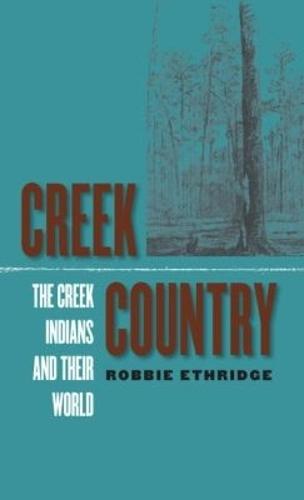
Reconstructing the human and natural environment of the Creek Indians in frontier Georgia, Mississippi, Alabama, and Tennessee, Robbie Ethridge illuminates a time of wrenching transition. Creek Country presents a compelling portrait of a culture in crisis, of its resiliency in the face of profound change, and of the forces that pushed it into decisive, destructive conflict. Ethridge begins in 1796 with the arrival of U.S. Indian Agent Benjamin Hawkins, whose tenure among the Creeks coincided with a period of increased federal intervention in tribal affairs, growing tension between Indians and non-Indians, and pronounced strife within the tribe. In a detailed description of Creek town life, the author reveals how social structures were stretched to accommodate increased engagement with whites and blacks. The Creek economy, long linked to the outside world through the deerskin trade, had begun to fail. Ethridge details the Creeks' efforts to diversify their economy, especially through experimental farming and ranching, and the ecological crisis that ensued. Disputes within the tribe culminated in the Red Stick War, a civil war among Creeks that quickly spilled over into conflict between Indians and white settlers and was ultimately used by U.S. authorities to justify their policy of Indian removal. |Reconstructing the human and natural environment of the Creek Indians in frontier Georgia, Mississippi, Alabama, and Tennessee, Ethridge presents a compelling portrait of a culture in economic, political, and ecological crisis; of its resiliency in the face of profound change; and of the forces that pushed it into decisive, destructive conflict.
Full Product Details
Author: Robbie Ethridge
Publisher: The University of North Carolina Press
Imprint: The University of North Carolina Press
Edition: New edition
Dimensions:
Width: 14.70cm
, Height: 2.20cm
, Length: 23.70cm
Weight: 0.507kg
ISBN: 9780807854952
ISBN 10: 0807854956
Pages: 384
Publication Date: 30 December 2003
Audience:
College/higher education
,
Professional and scholarly
,
Undergraduate
,
Postgraduate, Research & Scholarly
Format: Paperback
Publisher's Status: Active
Availability: In Print

This item will be ordered in for you from one of our suppliers. Upon receipt, we will promptly dispatch it out to you. For in store availability, please contact us.
Reviews
Paints a vivid portrait of Creek society and culture in the early nineteenth century. . . . Well-written, free from jargon, and accessible to readers who are not experts in the field. Consequently, Ethridge's examination of the Creek world will be of considerable value for anyone interested in Indian ethnohistory or the history of the American south. -- Journal of Southern History A fascinating perspective on cultural exchanges between southeastern Creeks and other Americans, emphasizing the ecological context in which the exchanges occurred. -- Journal of American History The creative use of an array of sources . . . makes this book a remarkable contribution. -- American Historical Review Important and engaging. A welcome addition to a burgeoning body of work. -- Mississippi Quarterly
A fascinating perspective on cultural exchanges between southeastern Creeks and other Americans, emphasizing the ecological context in which the exchanges occurred. -- Journal of American History The creative use of an array of sources . . . makes this book a remarkable contribution. -- American Historical Review Important and engaging. A welcome addition to a burgeoning body of work. -- Mississippi Quarterly Paints a vivid portrait of Creek society and culture in the early nineteenth century. . . . Well-written, free from jargon, and accessible to readers who are not experts in the field. Consequently, Ethridge's examination of the Creek world will be of considerable value for anyone interested in Indian ethnohistory or the history of the American south. -- Journal of Southern History
Paints a vivid portrait of Creek society and culture in the early nineteenth century. . . . Well-written, free from jargon, and accessible to readers who are not experts in the field. Consequently, Ethridge's examination of the Creek world will be of considerable value for anyone interested in Indian ethnohistory or the history of the American south. -- Journal of Southern History
The creative use of an array of sources . . . makes this book a remarkable contribution. -- American Historical Review Paints a vivid portrait of Creek society and culture in the early nineteenth century. . . . Well-written, free from jargon, and accessible to readers who are not experts in the field. Consequently, Ethridge's examination of the Creek world will be of considerable value for anyone interested in Indian ethnohistory or the history of the American south. -- Journal of Southern History A fascinating perspective on cultural exchanges between southeastern Creeks and other Americans, emphasizing the ecological context in which the exchanges occurred. -- Journal of American History Important and engaging. A welcome addition to a burgeoning body of work. -- Mississippi Quarterly
Paints a vivid portrait of Creek society and culture in the early nineteenth century. . . . Well-written, free from jargon, and accessible to readers who are not experts in the field. Consequently, Ethridge's examination of the Creek world will be of considerable value for anyone interested in Indian ethnohistory or the history of the American south. -- Journal of Southern History The creative use of an array of sources . . . makes this book a remarkable contribution. -- American Historical Review Important and engaging. A welcome addition to a burgeoning body of work. -- Mississippi Quarterly A fascinating perspective on cultural exchanges between southeastern Creeks and other Americans, emphasizing the ecological context in which the exchanges occurred. -- Journal of American History
Paints a vivid portrait of Creek society and culture in the early nineteenth century. . . . Well-written, free from jargon, and accessible to readers who are not experts in the field. Consequently, Ethridge's examination of the Creek world will be of considerable value for anyone interested in Indian ethnohistory or the history of the American south. -- Journal of Southern History Important and engaging. A welcome addition to a burgeoning body of work. -- Mississippi Quarterly A fascinating perspective on cultural exchanges between southeastern Creeks and other Americans, emphasizing the ecological context in which the exchanges occurred. -- Journal of American History The creative use of an array of sources . . . makes this book a remarkable contribution. -- American Historical Review
Paints a vivid portrait of Creek society and culture in the early nineteenth century. . . . Well-written, free from jargon, and accessible to readers who are not experts in the field. Consequently, Ethridge's examination of the Creek world will be of considerable value for anyone interested in Indian ethnohistory or the history of the American south. <br> -- Journal of Southern History
A fascinating perspective on cultural exchanges between southeastern Creeks and other Americans, emphasizing the ecological context in which the exchanges occurred. -- Journal of American History Paints a vivid portrait of Creek society and culture in the early nineteenth century. . . . Well-written, free from jargon, and accessible to readers who are not experts in the field. Consequently, Ethridge's examination of the Creek world will be of considerable value for anyone interested in Indian ethnohistory or the history of the American south. -- Journal of Southern History The creative use of an array of sources . . . makes this book a remarkable contribution. -- American Historical Review Important and engaging. A welcome addition to a burgeoning body of work. -- Mississippi Quarterly
Author Information
Robbie Ethridge is professor of anthropology at the University of Mississippi.