Overview
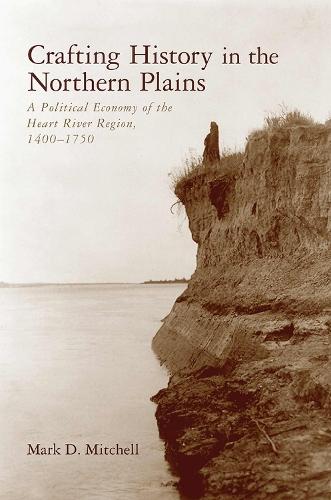
The histories of post-1500 American Indian and First Nations societies reflect a dynamic interplay of forces. Europeans introduced new technologies, new economic systems, and new social forms, but those novelties were appropriated, resisted, modified, or ignored according to indigenous meanings, relationships, and practices that originated long before Europeans came to the Americas. A comprehensive understanding of the changes colonialism wrought must therefore be rooted in trans-Columbian native histories that span the centuries before and after the advent of the colonists. In Crafting History in the Northern Plains Mark D. Mitchell illustrates the crucial role archaeological methods and archaeological data can play in producing trans-Columbian histories. Combining an in-depth analysis of the organization of stone tool and pottery production with ethnographic and historical data, Mitchell synthesizes the social and economic histories of the native communities located at the confluence of the Heart and Missouri rivers, home for more than five centuries to the Mandan people. Mitchell is the first researcher to examine the impact of Mandan history on the developing colonial economy of the Northern Plains. In Crafting History in the Northern Plains, he demonstrates the special importance of native history in the 1400s and 1500s to the course of European colonization.
Full Product Details
Author: Mark D. Mitchell
Publisher: University of Arizona Press
Imprint: University of Arizona Press
Edition: 2nd ed.
Dimensions:
Width: 15.40cm
, Height: 2.50cm
, Length: 23.10cm
Weight: 0.456kg
ISBN: 9780816521296
ISBN 10: 0816521298
Pages: 280
Publication Date: 30 April 2013
Audience:
General/trade
,
General
Format: Hardback
Publisher's Status: Active
Availability: Available To Order

We have confirmation that this item is in stock with the supplier. It will be ordered in for you and dispatched immediately.
Reviews
Only through the efforts of researchers who dedicate their careers to elucidating the artifacts, features, and sites that survive from ancient and not-so-ancient times do we gain an appreciation for the nuances of human activity. --Eldon Yellowhorn, co-author of First Peoples in Canada
Only through the efforts of researchers who dedicate their careers to elucidating the artifacts, features, and sites that survive from ancient and not-so-ancient times do we gain an appreciation for the nuances of human activity. --Eldon Yellowhorn, co-author of First Peoples in Canada
Author Information
Mark D. Mitchell is Research Director for Paleocultural Research Group, a nonprofit organization devoted to archaeological research in the Great Plains and southern Rocky Mountains. He is the co-editor of Across a Great Divide: Change and Continuity in Native North American Societies, 1400-1900.