Overview
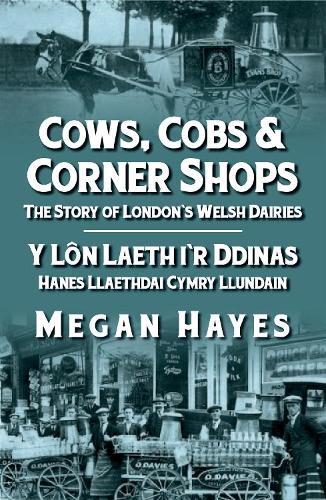
This book tells us how the Welsh have, over the centuries, been of crucial importance in supplying milk to the population of London. Starting with the influence of the drovers who took their cattle from rural Wales to the city, this book moves on describe the establishment of many dairies and corner shops which, open all hours, provided fresh milk to the growing metropolis.
Full Product Details
Author: Megan Hayes
Publisher: Y Lolfa
Imprint: Y Lolfa
Edition: Bilingual edition
Weight: 0.729kg
ISBN: 9781784615260
ISBN 10: 1784615269
Pages: 216
Publication Date: 30 June 2018
Audience:
General/trade
,
General
Format: Paperback
Publisher's Status: Active
Availability: In Print

This item will be ordered in for you from one of our suppliers. Upon receipt, we will promptly dispatch it out to you. For in store availability, please contact us.
Language: English, Welsh
Reviews
In November 2008 our local vicar made an unusual request to our small congregation. He explained that a short service would be held at St. Peters Church, Bont-goch on 14 November to bury the ashes of a lady from London, and requested that some of us might attend as a matter of courtesy. This we were happy to do as a gesture of support. This incident serves to prcis virtually everything that Megan Hayes has recorded in this truly splendid book. The lady whose funeral was held was born in London to a Welsh family who had migrated from this parish shortly after the Great War. They had been involved with the running of London Wholesale Dairies, Ltd. Like many migrants, the deceased wished to return to Ceredigion as her final resting place, for burial near to her family. It was an interesting experience to listen to the many strong Cockney accents on the day when their mother and grandmother was laid to rest. (Ironically, she is buried close to Gwyneth Francis-Jones, herself the daughter of a dairyman, and author of an earlier volume on the London dairy industry). Cardiganshire suffered desperately from rural depopulation throughout the nineteenth century. It is estimated that between 1818 and 1868, over 3,000 left the county for the New World alone. Others migrated to the south Wales coalfield, especially when the lead mines began to cease operation. In order to survive dire poverty, many from the agricultural community migrated to London, following in the steps of the drovers, and established themselves as dairymen. The first wave would keep and milk their animals on the premises, but as the railways developed, many families diversified to run corner shops and doorstep milk deliveries, importing their milk from Wales. Cows, Cobs and Corner Shops chronicles the story of those intrepid Cardis who took this plunge, and with long hours, hard work, and shrewd business acumen most made a success of it. Many became pillars of society and highly successful entrepreneurs, and used their fortunes to benefit causes back in their native Wales. They also contributed and maintained a network of 40 chapels in the capital, institutions that helped the Welsh retain their social cohesion and served to remind them that high ethical standards were required in all aspects of their lives, including business. Much of the material collected by the author is based, not only on her own experience as a member of a family who left Cardiganshire in 1928 to join the London milk trade, but also on the oral evidence of many other families who pursued the same path. It is truly staggering to read that so many families were involved in this industry, and humbling to read how they established networks to assist each other. After the Second World War, and the devastating effects of the Blitz, and as competition stiffened from supermarkets, and doorstep deliveries declined, many families diversified into running guest houses, most of which were located in close proximity to the railway terminals at Euston and Paddington frequented by Welsh passengers. During her research the author accumulated many fascinating photographs which are liberally reproduced in this volume. She has also added an interesting dimension by commissioning contemporary colour photographs of some of the original corner shops that still retain their original facades although being put to new and interesting uses. In addition to recording the history of the dairy industry in London, the book also contains a wealth of genealogical information, and the inclusion of a comprehensive index would have made that element more accessible. The text is parallel and bilingual, but the lighter shade of the Welsh language text does not entice the reader to opt for that choice of reading language. Adolygiad Cymraeg: Ym mis Tachwedd 2008 gwnaeth ein ficer lleol gais anarferol in cynulleidfa fach. Eglurodd y byddai gwasanaeth byr yn cael ei gynnal yn Eglwys St. Pedr, Bont-goch (Elerch) ar 14 Tachwedd i gladdu llwch dynes o Lundain, a dymunai weld rhai or gynulleidfa yn bresennol, os yn bosibl. Roedd nifer ohonom yn hapus i wneud hynny er mwyn dangos ein cefnogaeth. Maer digwyddiad hwn yn grynodeb perffaith or hyn a geir yng nghyfrol ysblennydd Megan Hayes. Roedd y ddynes y dymunwyd claddu ei llwch wedi ei geni yn Llundain i deulu Cymreig a fudodd o blwyf Elerch yn fuan ar l y Rhyfel Mawr. Roeddent yn gysylltiedig rhedeg cwmni London Welsh Dairies, Cyf. Fel nifer o allfudwyr, roedd hin ddymuniad ganddi i ddychwelyd iw milltir sgwr i gael ei chladdu yn ymyl ei theulu. Roedd hin brofiad arbennig y diwrnod hwnnw i glywed cymaint o acenion Cockney wrth iw mam au mam-gu gyrraedd ei man gorffwys. (Yn ei hymyl claddwyd Gwyneth Francis-Jones, hithau hefyd yn Llundeinwraig a merch i deulur llwybr llaethog, ac yn awdur cyfrol gynharach ar y diwydiant). Dioddefodd Sir Aberteifi ddiboblogi enbyd trwy gydol y 19eg ganrif, ac amcangyfrifir fod dros 3,000 wedi mudo dros yr Iwerydd ir Amerig yn unig. Aeth nifer yn ogystal i gymoedd diwydiannol De Cymru, yn enwedig ar l ir gweithfeydd mwyn orffen cynhyrchu. Er mwyn osgoi tlodi gwirioneddol, aeth nifer or cymunedau amaethyddol i Lundain, i ddilyn l traed y porthmyn, gan sefydlu eu hunain yn y diwydiant llaeth. Roedd y don gyntaf o fudwyr yn cadw eu hanifeiliaid yn agos at eu cartrefi, ond wrth ir rheilffyrdd ddatblygu, gwnaeth nifer o deuluoedd arallgyfeirio i redeg siopau cornel gan gynnig, yn ogystal, gwasanaeth llaeth ir stepen drws, a'r llaeth hwnnw wedi ei fewnforio o Gymru. Maer gyfrol hon yn croniclo hanes y Cardis dewr a gwrol a gymerodd y llwybr llaethog yma, a gyda gwaith caled, oriau hir a synnwyr busnes da gwnaeth y mwyafrif lwyddiant ou menter. Datblygodd nifer yn bilerir gymdeithas, yn ddynion busnes llwyddiannus, gan ddefnyddio eu cyfoeth i ariannu nifer o achosion da yng Nghymru. Fe wnaethant hefyd gyfrannu at lwyddiant rhwydwaith o 40 o gapeli Cymraeg, sefydliadau a fun gymorth i sicrhau undod cymdeithasol y Cymry, ac ar yr un pryd sicrhau eu bod yn cadw at safonau uchel o foesoldeb ym mhob agwedd ou bywydau, yn cynnwys byd busnes. Mae llawer or deunydd a gasglwyd gan yr awdur yn seiliedig nid yn unig ar ei phrofiadau personol fel aelod o deulu oedd yn ymwneud r diwydiant ac a adawodd Sir Aberteifi am Lundain yn 1928, ond hefyd ar brofiadau a thystiolaeth lafar nifer o deuluoedd eraill a wnaeth ddilyn yr un trywydd. Maen rhyfeddol i ddarllen am gymaint o deuluoedd a fun gysylltiedig r diwydiant, ac sut y byddent yn rhwydweithio i estyn cymorth ymarferol iw gilydd. Ar l yr Ail Ryfel Byd, ac effeithiau niweidiol y Blitz, ac wrth i gystadleuaeth yr archfarchnadoedd gydio ar galw am wasanaeth stepen drws leihau, newidiodd nifer o deuluoedd eu trywydd i ddechrau rhedeg gwestai. Roedd y mwyafrif wedi eu lleoli yn ymyl gorsafoedd trenau Euston a Paddington er mwyn manteisio ar deithwyr o Gymru. Yn ystod ei hymchwil casglodd yr awdur nifer o luniau, ac maer gyfrol yn doreithiog ohonynt. Ychwanegwyd hefyd ddeimensiwn diddorol drwy gomisiynu rhai ffotograffau lliw cyfoes i ddarlunio rhai or siopau cornel sydd wedi cadw eu ffasadau gwreiddiol, wrth redeg busnesau newydd, tra gwahanol. Yn ogystal chofnodi hanes y diwydiant llaeth yn Llundain, mae'r llyfr hefyd yn gyfoethog mewn gwybodaeth achyddol, a byddai cynnwys mynegai cynhwysfawr o enwau wedi gwneud yr elfen honno'n fwy hygyrch. Mae'r testun yn ddwyieithog ac yn gyfochrog, ond nid yw teipsgript y testun Cymraeg, sydd ychydig yn oleuach nar un Saesneg, yn ddeniadol o ran iaith ddewisol i ddarllen y testun. Richard E. Huws It is possible to use this review for promotional purposes, but the following acknowledgment should be included: A review from www.gwales.com, with the permission of the Welsh Books Council. Gellir defnyddio'r adolygiad hwn at bwrpas hybu, ond gofynnir i chi gynnwys y gydnabyddiaeth ganlynol: Adolygiad oddi ar www.gwales.com, trwy ganiatd Cyngor Llyfrau Cymru. -- Welsh Books Council
In November 2008 our local vicar made an unusual request to our small congregation. He explained that a short service would be held at St. Peter's Church, Bont-goch on 14 November to bury the ashes of a lady from London, and requested that some of us might attend as a matter of courtesy. This we were happy to do as a gesture of support. This incident serves to precis virtually everything that Megan Hayes has recorded in this truly splendid book. The lady whose funeral was held was born in London to a Welsh family who had migrated from this parish shortly after the Great War. They had been involved with the running of London Wholesale Dairies, Ltd. Like many migrants, the deceased wished to return to Ceredigion as her final resting place, for burial near to her family. It was an interesting experience to listen to the many strong Cockney accents on the day when their mother and grandmother was laid to rest. (Ironically, she is buried close to Gwyneth Francis-Jones, herself the daughter of a dairyman, and author of an earlier volume on the London dairy industry). Cardiganshire suffered desperately from rural depopulation throughout the nineteenth century. It is estimated that between 1818 and 1868, over 3,000 left the county for the New World alone. Others migrated to the south Wales coalfield, especially when the lead mines began to cease operation. In order to survive dire poverty, many from the agricultural community migrated to London, following in the steps of the drovers, and established themselves as dairymen. The first wave would keep and milk their animals on the premises, but as the railways developed, many families diversified to run corner shops and doorstep milk deliveries, importing their milk from Wales. Cows, Cobs and Corner Shops chronicles the story of those intrepid Cardis who took this plunge, and with long hours, hard work, and shrewd business acumen most made a success of it. Many became pillars of society and highly successful entrepreneurs, and used their fortunes to benefit causes back in their native Wales. They also contributed and maintained a network of 40 chapels in the capital, institutions that helped the Welsh retain their social cohesion and served to remind them that high ethical standards were required in all aspects of their lives, including business. Much of the material collected by the author is based, not only on her own experience as a member of a family who left Cardiganshire in 1928 to join the London milk trade, but also on the oral evidence of many other families who pursued the same path. It is truly staggering to read that so many families were involved in this industry, and humbling to read how they established networks to assist each other. After the Second World War, and the devastating effects of the Blitz, and as competition stiffened from supermarkets, and doorstep deliveries declined, many families diversified into running guest houses, most of which were located in close proximity to the railway terminals at Euston and Paddington frequented by Welsh passengers. During her research the author accumulated many fascinating photographs which are liberally reproduced in this volume. She has also added an interesting dimension by commissioning contemporary colour photographs of some of the original corner shops that still retain their original facades although being put to new and interesting uses. In addition to recording the history of the dairy industry in London, the book also contains a wealth of genealogical information, and the inclusion of a comprehensive index would have made that element more accessible. The text is parallel and bilingual, but the lighter shade of the Welsh language text does not entice the reader to opt for that choice of reading language. Adolygiad Cymraeg: Ym mis Tachwedd 2008 gwnaeth ein ficer lleol gais anarferol i'n cynulleidfa fach. Eglurodd y byddai gwasanaeth byr yn cael ei gynnal yn Eglwys St. Pedr, Bont-goch (Elerch) ar 14 Tachwedd i gladdu llwch dynes o Lundain, a dymunai weld rhai o'r gynulleidfa yn bresennol, os yn bosibl. Roedd nifer ohonom yn hapus i wneud hynny er mwyn dangos ein cefnogaeth. Mae'r digwyddiad hwn yn grynodeb perffaith o'r hyn a geir yng nghyfrol ysblennydd Megan Hayes. Roedd y ddynes y dymunwyd claddu ei llwch wedi ei geni yn Llundain i deulu Cymreig a fudodd o blwyf Elerch yn fuan ar ol y Rhyfel Mawr. Roeddent yn gysylltiedig a rhedeg cwmni London Wholesale Dairies, Cyf. Fel nifer o allfudwyr, roedd hi'n ddymuniad ganddi i ddychwelyd i'w milltir sgwar i gael ei chladdu yn ymyl ei theulu. Roedd hi'n brofiad arbennig y diwrnod hwnnw i glywed cymaint o acenion Cockney wrth i'w mam a'u mam-gu gyrraedd ei man gorffwys. (Yn ei hymyl claddwyd Gwyneth Francis-Jones, hithau hefyd yn Llundeinwraig a merch i deulu'r llwybr llaethog, ac yn awdur cyfrol gynharach ar y diwydiant). Dioddefodd Sir Aberteifi ddiboblogi enbyd trwy gydol y 19eg ganrif, ac amcangyfrifir fod dros 3,000 wedi mudo dros yr Iwerydd i'r Amerig yn unig. Aeth nifer yn ogystal i gymoedd diwydiannol De Cymru, yn enwedig ar ol i'r gweithfeydd mwyn orffen cynhyrchu. Er mwyn osgoi tlodi gwirioneddol, aeth nifer o'r cymunedau amaethyddol i Lundain, i ddilyn ol traed y porthmyn, gan sefydlu eu hunain yn y diwydiant llaeth. Roedd y don gyntaf o fudwyr yn cadw eu hanifeiliaid yn agos at eu cartrefi, ond wrth i'r rheilffyrdd ddatblygu, gwnaeth nifer o deuluoedd arallgyfeirio i redeg siopau cornel gan gynnig, yn ogystal, gwasanaeth llaeth i'r stepen drws, a'r llaeth hwnnw wedi ei fewnforio o Gymru. Mae'r gyfrol hon yn croniclo hanes y Cardis dewr a gwrol a gymerodd y llwybr llaethog yma, a gyda gwaith caled, oriau hir a synnwyr busnes da gwnaeth y mwyafrif lwyddiant o'u menter. Datblygodd nifer yn bileri'r gymdeithas, yn ddynion busnes llwyddiannus, gan ddefnyddio eu cyfoeth i ariannu nifer o achosion da yng Nghymru. Fe wnaethant hefyd gyfrannu at lwyddiant rhwydwaith o 40 o gapeli Cymraeg, sefydliadau a fu'n gymorth i sicrhau undod cymdeithasol y Cymry, ac ar yr un pryd sicrhau eu bod yn cadw at safonau uchel o foesoldeb ym mhob agwedd o'u bywydau, yn cynnwys byd busnes. Mae llawer o'r deunydd a gasglwyd gan yr awdur yn seiliedig nid yn unig ar ei phrofiadau personol fel aelod o deulu oedd yn ymwneud a'r diwydiant ac a adawodd Sir Aberteifi am Lundain yn 1928, ond hefyd ar brofiadau a thystiolaeth lafar nifer o deuluoedd eraill a wnaeth ddilyn yr un trywydd. Mae'n rhyfeddol i ddarllen am gymaint o deuluoedd a fu'n gysylltiedig a'r diwydiant, ac sut y byddent yn rhwydweithio i estyn cymorth ymarferol i'w gilydd. Ar ol yr Ail Ryfel Byd, ac effeithiau niweidiol y Blitz, ac wrth i gystadleuaeth yr archfarchnadoedd gydio a'r galw am wasanaeth stepen drws leihau, newidiodd nifer o deuluoedd eu trywydd i ddechrau rhedeg gwestai. Roedd y mwyafrif wedi eu lleoli yn ymyl gorsafoedd trenau Euston a Paddington er mwyn manteisio ar deithwyr o Gymru. Yn ystod ei hymchwil casglodd yr awdur nifer o luniau, ac mae'r gyfrol yn doreithiog ohonynt. Ychwanegwyd hefyd ddeimensiwn diddorol drwy gomisiynu rhai ffotograffau lliw cyfoes i ddarlunio rhai o'r siopau cornel sydd wedi cadw eu ffasadau gwreiddiol, wrth redeg busnesau newydd, tra gwahanol. Yn ogystal a chofnodi hanes y diwydiant llaeth yn Llundain, mae'r llyfr hefyd yn gyfoethog mewn gwybodaeth achyddol, a byddai cynnwys mynegai cynhwysfawr o enwau wedi gwneud yr elfen honno'n fwy hygyrch. Mae'r testun yn ddwyieithog ac yn gyfochrog, ond nid yw teipsgript y testun Cymraeg, sydd ychydig yn oleuach na'r un Saesneg, yn ddeniadol o ran iaith ddewisol i ddarllen y testun. -- Richard E. Huws @ www.gwales.com
Author Information
Megan Hayes was born in Shoreditch, London, of Cardiganshire parents working in the London milk trade. After gaining a degree in Chemistry at University College Wales, Aberystwyth, she had a career in research and teaching before being appointed in 1974 as a senior adviser to the then Hereford and Worcester Local Education Authority. She retired in 1990 and now lives in Aberaeron.