|
|
|||
|
||||
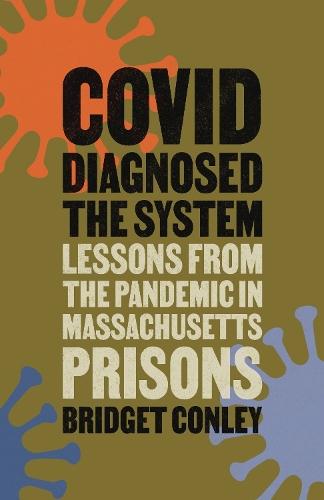
OverviewThe American criminal justice system was in flux in 2020, a clash of possibilities for reform, retrenchment, and radical change—nowhere more so than in Massachusetts, which had just passed major criminal justice reform. The COVID-19 pandemic interrupted the moment with life-threatening force, ravaging people held in prisons and jails across the country. However, it did not so much create new deprivations and suffering as it exposed prisons as sites of physical, institutional, and psychological violence that do not make communities safer. At the same time, advocates for people in prisons—including many incarcerated and formerly incarcerated people—seized on the pandemic's disruptions to demand change. Detailing the first year of the pandemic inside the Massachusetts state prison system, this book argues that the history of the pandemic inside prisons exposed both the cruelties of incarceration and the power of change when it is led by directly affected people. Full Product DetailsAuthor: Bridget ConleyPublisher: Rutgers University Press Imprint: Rutgers University Press Dimensions: Width: 14.00cm , Height: 2.00cm , Length: 21.60cm Weight: 0.341kg ISBN: 9781978845152ISBN 10: 1978845154 Pages: 226 Publication Date: 12 May 2026 Audience: Professional and scholarly , College/higher education , General/trade , Professional & Vocational , Tertiary & Higher Education Format: Hardback Publisher's Status: Forthcoming Availability: Not yet available This item is yet to be released. You can pre-order this item and we will dispatch it to you upon its release. Table of ContentsReviews""A valuable contribution to scholarship on prisons, abolition, and the methodological importance of lived expertise. Conley effectively demonstrates how the very reality of the virus, along with the forms of community organization that aimed to support those held within the confines of carceral institutions, reveals the limits of the 'total institution' fiction. Instead, COVID revealed the porous nature of prisons, exposing frictions and sites for contestation."" --Jessica Evans ""assistant professor of criminology at Toronto Metropolitan University"" ""Conley makes a powerful statement of how a crisis serves to expose deep seated systemic problems. A crucial part of the book is the question: Why listen to directly impacted people?"" --Susan Sered ""author of Diminished Citizenship in the Era of Mass Criminalization"" Author InformationBridget Conley is the research director of the World Peace Foundation and an associate research professor at the Fletcher School at Tufts University. She is the coeditor of Accountability for Mass Starvation: Testing the Limits of the Law. Tab Content 6Author Website:Countries AvailableAll regions |
||||