|
|
|||
|
||||
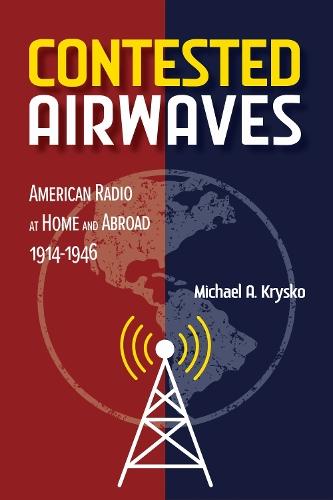
OverviewControversial American-led radio initiatives sparked a kaleidoscope of conflicts and rivalries from the medium’s earliest days through the end of World War II. Michael A. Krysko explores how the medium engaged the knowledge, assumptions, and prejudices that fueled listeners’ and policymakers’ objections to foreign and unwelcome radio content. Krysko considers Americans’ antagonism toward non-English language broadcasting; issues of identity, geography, and sovereignty that propelled opposition to Mexico’s “border blaster” stations; how a project aimed at helping Cajun-speaking listeners became a French-only celebration of Acadian culture; a failed initiative to teach English to Latin Americans via shortwave broadcasting; enduring US-Panamanian conflicts over the control of radio in and around the Panama Canal; and how farmers from across the Southwest protested a radio treaty’s perceived preferential treatment of Cuba. Paying particular attention to the act of listening, Krysko shows how these initiatives illuminated and solidified divisions rooted in identity, nationalism, and prejudice. Clear and wide-ranging, Contested Airwaves reveals early radio’s place at the nexus of public programming, transnational relations, and its own evolution as a communication medium. Full Product DetailsAuthor: Michael A. KryskoPublisher: University of Illinois Press Imprint: University of Illinois Press Edition: New edition Dimensions: Width: 15.20cm , Height: 2.30cm , Length: 22.90cm Weight: 0.426kg ISBN: 9780252088476ISBN 10: 0252088476 Pages: 280 Publication Date: 25 February 2025 Audience: Professional and scholarly , Professional & Vocational Format: Paperback Publisher's Status: Active Availability: Manufactured on demand We will order this item for you from a manufactured on demand supplier. Table of ContentsAcknowledgments Introduction: “The Microphone Is Mightier than the Machine Gun”—Visions of Cooperation and Realities of Conflict in Early American Radio Part I. Imagining the Foreign Menace Chapter 1. “Broadcasting in the Language of the Enemies of Civilization”—Foreign Language Broadcasting and American Radio, 1920–1940 Chapter 2. “An Invasion by Radio Is Crossing the Mexican Border”—John Brinkley, Border Blasters, and the Geography of American National Identity in the 1930s Part II. Language Education and Identity on the Radio Chapter 3. “To Help the French Speaking People of Louisiana”—Language, Education, and Identity in the French Radio Project at Louisiana State University, 1938–1940 Chapter 4. “An Efficient Way to Spread Shakespeare’s Beautiful Language”—“Basic English,” Language Education, and American International Radio, 1935–1941 Part III. Colonized Airwaves Chapter 5. “A Workable Scheme to Quiet the Panaman Clamor”—US Radio Policy in Panama in the Shadow of the World Wars Chapter 6. “An Almost Unbelievable Disregard of the Interests of the United States Listeners and Broadcasters”—US-Cuban Relations, American Identities, and the 1946 North American Regional Broadcasting Agreement Conclusion: From “Whistling and Singing ‘La Paloma’” to “No Way, José”—A Century of Continuity and Change in Communications, Identity, and Borders Notes Bibliography IndexReviewsAuthor InformationMichael A. Krysko is an associate professor of history at Kansas State University. He is the author of American Radio in China: International Encounters with Technology and Communications, 1919-41. Tab Content 6Author Website:Countries AvailableAll regions |
||||