|
|
|||
|
||||
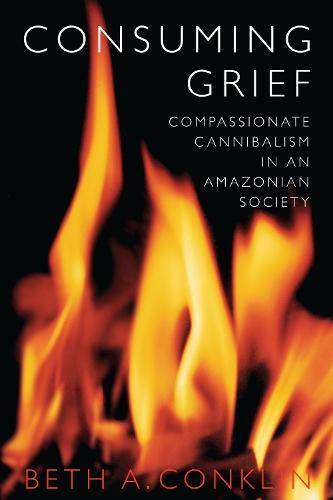
OverviewMourning the death of loved ones and recovering from their loss are universal human experiences, yet the grieving process is as different between cultures as it is among individuals. As late as the 1960s, the Wari' Indians of the western Amazonian rainforest ate the roasted flesh of their dead as an expression of compassion for the deceased and for his or her close relatives. By removing and transforming the corpse, which embodied ties between the living and the dead and was a focus of grief for the family of the deceased, Wari' death rites helped the bereaved kin accept their loss and go on with their lives. Drawing on the recollections of Wari' elders who participated in consuming the dead, this book presents one of the richest, most authoritative ethnographic accounts of funerary cannibalism ever recorded. Beth Conklin explores Wari' conceptions of person, body, and spirit, as well as indigenous understandings of memory and emotion, to explain why the Wari' felt that corpses must be destroyed and why they preferred cannibalism over cremation.Her findings challenge many commonly held beliefs about cannibalism and show why, in Wari' terms, it was considered the most honorable and compassionate way of treating the dead. Beth A. Conklin is Associate Professor of Anthropology and Religious Studies at Vanderbilt University."" Full Product DetailsAuthor: Beth A. ConklinPublisher: University of Texas Press Imprint: University of Texas Press Dimensions: Width: 15.20cm , Height: 2.30cm , Length: 22.90cm Weight: 0.540kg ISBN: 9780292712362ISBN 10: 0292712367 Pages: 320 Publication Date: 01 July 2001 Audience: Professional and scholarly , Professional & Vocational Format: Paperback Publisher's Status: Active Availability: In Print This item will be ordered in for you from one of our suppliers. Upon receipt, we will promptly dispatch it out to you. For in store availability, please contact us. Table of ContentsAcknowledgmentsAbout the Artist and IllustrationsA Note on OrthographyIntroductionPart I: ContextsChapter One: Cannibal EpistemologiesChapter Two: Wari' WorldsChapter Three: Cultural CollisionsPart II: Motifs and MotivesChapter Four: FuneralsChapter Five: Explanations of EatingPart III: Bodily ConnectionsChapter Six: Social AnatomyChapter Seven: Embodied IdentitiesChapter Eight: Burning SorrowPart IV: Eat and Be EatenChapter Nine: Predator and PreyChapter Ten: Hunting the AncestorsChapter Eleven: Transforming GriefAfterwordAppendix A: The Story of Mortuary Cannibalism's OriginAppendix B: The Story of Hujin and OrotapanNotesReferencesIndexReviewsThis is probably the most significant ethnography of cannibalism. Period... I expect this book to become a classic, an ethnography of exceptional depth and clarity by an anthropologist whose sensitivity and insight are apparent on every page. -Donald Pollock, Associate Professor of Anthropology, SUNY Buffalo Author InformationBeth A. Conklin is Associate Professor of Anthropology and Religious Studies at Vanderbilt University. Tab Content 6Author Website:Countries AvailableAll regions |
||||