|
|
|||
|
||||
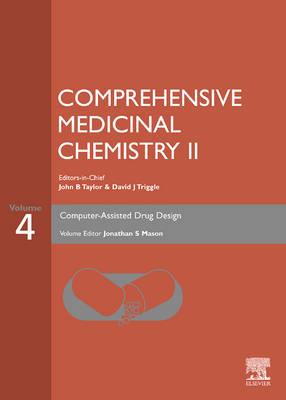
OverviewComputer-assisted Drug Design (CADD) reviews the use of computational methods and how these can aid the drug discovery process. Experts review in-silico approaches for the design and improvement of drug properties. Techniques for modelling, analysing and optimization of properties including potency, selectivity and ADMET are presented. Methods discussed include the Quantitative Structure Activity Relationship (QSAR), ligand and structure-based, lead discovery and new directions. Ideal for students and researchers in chemistry, biochemistry, medicinal chemistry and pharmacology and scientists working in the pharmaceutical industries. Full Product DetailsAuthor: Jonathan S Mason (H. Lundbeck A/S, Copenhagen, Denmark)Publisher: Elsevier Science & Technology Imprint: Elsevier Science Ltd Dimensions: Width: 18.40cm , Height: 4.30cm , Length: 26.00cm Weight: 2.260kg ISBN: 9780080445175ISBN 10: 0080445179 Pages: 881 Publication Date: 29 November 2006 Audience: Professional and scholarly , Professional & Vocational Format: Hardback Publisher's Status: Unknown Availability: Out of stock Table of ContentsVolume 4 Computer-Assisted Drug Design Introduction to Computer-Assisted Drug Design Core Concepts and Methods – Ligand-Based Core Concepts and Methods – Target Structure-Based Core Methods and Applications – Ligand and Structure-Based Applications to Drug Discovery – Lead Discovery Applications to Drug Discovery – Ligand-Based Lead Optimization Applications to Drug Discovery – Target Structure-Based New DirectionsReviewsAuthor InformationTab Content 6Author Website:Countries AvailableAll regions |
||||