|
|
|||
|
||||
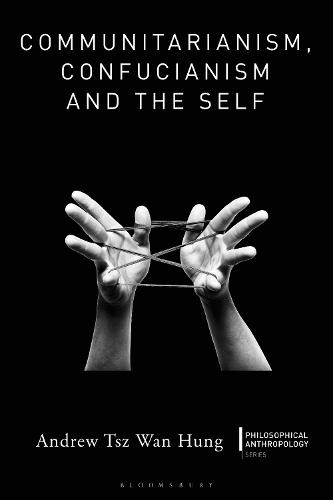
OverviewAs Confucian thought wrestles with the push for modernization, and liberal democracy finds new cracks in its political consensus that undermine the communitarian ethos of solidarity, the need for the mutual understanding has never been more pressing. In Communitarianism, Confucianism and the Self, Andrew Hung offers a path to this concord by drawing out the similarities between the communitarianism of Charles Taylor and the Confucian teachings that still guide modern day China. The surprising number of similarities between the two philosophies is demonstrative of comparative philosophy’s potential to generative new paradigms of family, community, authenticity, morality, politics and the body. Building on communitarianism and confucianism’s shared account of how an individual’s consciousness exists in the wider world, this book demonstrates that whilst the challenges facing the East and West can seem particular and even mutually exacerbating, there is ample opportunity for productive philosophical dialogue between the two. The work towards this book was partially supported by a grant from the College of Professional and Continuing Education, an affiliate of The Hong Kong Polytechnic University. Full Product DetailsAuthor: Dr. Andrew Tsz Wan Hung (Hong Kong Polytechnic University, Hong Kong)Publisher: Bloomsbury Publishing PLC Imprint: Bloomsbury Academic Dimensions: Width: 15.40cm , Height: 1.80cm , Length: 23.80cm Weight: 0.460kg ISBN: 9781350430181ISBN 10: 1350430188 Pages: 216 Publication Date: 11 December 2025 Audience: Professional and scholarly , Professional & Vocational Format: Hardback Publisher's Status: Active Availability: Manufactured on demand We will order this item for you from a manufactured on demand supplier. Table of ContentsReviewsCommunitarianism, Confucianism and the Self provides refreshing & penetrating analysis of contemporary politics in this age of globalization from non-Western eyes. It shows how unificationism, or attempts to impose a single identity like secularism have generated protracted social conflicts, chaos & instability. It calls for a kind of multi-communitarianism which allows recognition & power-sharing for diverse communities. This book will inspire meaningful dialogues that foster the harmonious co-existence of diverse communities. Innovative & thought-provoking. Highly recommended. * Kai-man Kwan, Department of Religion & Philosophy, Hong Kong Baptist University, Hong Kong * Author InformationAndrew Tsz Wan Hung is a Lecturer in the Division of Social Sciences, Humanities and Design, College of Professional and Continuing Education, The Hong Kong Polytechnic University, Hong Kong. Tab Content 6Author Website:Countries AvailableAll regions |
||||