|
|
|||
|
||||
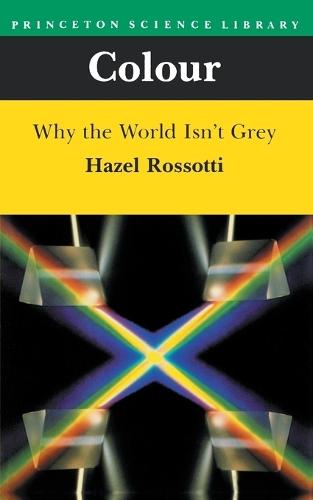
OverviewWhy do pebbles look brighter when wet? Is there a ""right"" order in which to arrange a set of colored crayons? Are blue rooms really ""cold""? Why do some clothes change color when ironed? What are the colors you see when you press your eyes? To answer these and other questions, Hazel Rossotti uses scientific basics--matter, energy, and eye structure--to discuss the colors of the natural world, the mechanism of color vision, and a range of color technology from ceramics to television. She includes a fascinating discussion of the uses of color, both ""prosaic"" (as for camouflage, signaling, and symbolism) and ""poetic"" (for conveying mood in art and language). Dealing with subjects from refraction to rainbows, chlorophyll to color blindness, this book will appeal both to the general reader and to the scientist. Full Product DetailsAuthor: Hazel RossottiPublisher: Princeton University Press Imprint: Princeton University Press Volume: 3 Dimensions: Width: 12.70cm , Height: 1.60cm , Length: 19.10cm Weight: 0.255kg ISBN: 9780691023861ISBN 10: 0691023867 Pages: 240 Publication Date: 21 July 1985 Audience: Professional and scholarly , College/higher education , Professional & Vocational , Tertiary & Higher Education Format: Paperback Publisher's Status: Active Availability: In Print This item will be ordered in for you from one of our suppliers. Upon receipt, we will promptly dispatch it out to you. For in store availability, please contact us. Language: English Table of ContentsReviewsColor or the lack of it in the air, water, earth, fire, foods, animals and humans is discussed in Colour... The author answers such puzzling questions as: Why do pebbles look brighter when wet? What are the colors you see when you press your eyelids against your eyes? One reviewer commented that Colour 'shows an encyclopedic knowledge of the subject.' The New York Times Color or the lack of it in the air, water, earth, fire, foods, animals and humans is discussed in Colour... The author answers such puzzling questions as: Why do pebbles look brighter when wet? What are the colors you see when you press your eyelids against your eyes? One reviewer commented that Colour 'shows an encyclopedic knowledge of the subject.' --New York Times Author InformationTab Content 6Author Website:Countries AvailableAll regions |
||||